
Sugar-Free THC Gummies for Sleep: A 2026 Guide
Table of Contents
- Why Sugar-Free THC Gummies for Sleep Beat Sugary Edibles
- THC and CBN Gummies for Sleep: The Entourage Effect
- How Long Do THC Gummies Take to Work for Sleep?
- Best Practices for Dosing THC Sleep Gummies
- What to Look For in Sugar-Free THC Gummies
- Safety, Side Effects, and Interactions
- Frequently Asked Questions
Last Updated: September 8, 2026
Choosing the right nighttime edible comes down to more than just THC content. Sugar-free THC gummies for sleep are becoming the default choice for health-conscious adults: they deliver the same restful effects without the metabolic spike that sugary alternatives trigger before bed. At ZUUZ, we refine edibles that prioritize both efficacy and clean ingredients.
A sugar-free THC gummy addresses both the cannabinoid profile and the physiological context of your sleep cycle.
Why Sugar-Free THC Gummies for Sleep Beat Sugary Edibles
Sugar-free THC gummies for sleep avoid the insulin spike that can fragment deep sleep. When you consume sugar close to bedtime, your blood glucose rises and then crashes, which can trigger nighttime wakefulness and reduce time spent in restorative stages.
The Glycemic Index and Your Sleep Cycle
The glycemic index (GI) measures how quickly a food raises blood sugar, and it matters more for sleep than most people realize. High-glycemic snacks before bed are associated with poorer sleep quality because rapid glucose fluctuations can disrupt the hormonal cascade that initiates sleep. Sugar-free gummies typically use sweeteners that do not raise blood sugar, allowing your body to transition into rest without a metabolic distraction.
A Closer Look at Sugar-Free Sweeteners
Not all sugar-free sweeteners are created equal, and the type used can significantly affect your sleep and digestion. Here's how the most common options stack up:
- Stevia: Derived from the leaves of the Stevia rebaudiana plant, stevia is a zero-calorie, zero-GI sweetener. It does not raise blood glucose or insulin levels, making it a safe choice for people with diabetes. However, some users report a slight bitter aftertaste, and high concentrations can cause mild gastrointestinal discomfort in sensitive individuals.
- Monk Fruit: Also known as luo han guo, monk fruit extract is another zero-calorie, zero-GI option. It contains mogrosides, which are antioxidants that provide sweetness without affecting blood sugar. Monk fruit is generally well-tolerated and does not have the bitter aftertaste associated with stevia, though it is often blended with other sweeteners to achieve the right texture.
- Allulose: This is a rare sugar that occurs naturally in small quantities in foods like figs and raisins. It has about 70% of the sweetness of sucrose but only 0.2 calories per gram and a negligible effect on blood glucose. Allulose is absorbed by the body but not metabolized, so it passes through without triggering an insulin response. It is a preferred choice for gummy texture because it behaves like sugar during manufacturing.
- Sugar Alcohols (e.g., Erythritol, Xylitol, Sorbitol): While these are low-GI and low-calorie, they are not without drawbacks. Sugar alcohols are fermented by gut bacteria, which can cause bloating, gas, and diarrhea, especially at higher doses. Erythritol is the best tolerated of the group, but it can still cause digestive distress in sensitive individuals. Additionally, xylitol is highly toxic to dogs, so pet owners should be cautious.
Why This Matters for Diabetic and Keto Users
For individuals with type 2 diabetes or those following a ketogenic diet, the choice of sweetener is about maintaining metabolic stability. A gummy sweetened with corn syrup or cane sugar can contain 5-10 grams of sugar per piece, enough to spike blood glucose and disrupt a diabetic's nighttime routine. Sugar-free gummies made with stevia, monk fruit, or allulose allow these users to enjoy the sleep benefits of THC and CBN without compromising their dietary protocols.
THC and CBN Gummies for Sleep: The Entourage Effect
THC and CBN gummies for sleep represent a more sophisticated approach than single-compound products because they use the entourage effect, the synergistic interaction where cannabinoids work better together than in isolation. CBN, often called the sleepy cannabinoid, is known for its sedative properties, while THC promotes relaxation and helps quiet an overactive mind.
A common mistake is assuming that more THC equals better sleep. In practice, high doses of THC can increase heart rate and provoke anxiety, which is counterproductive.
How Long Do THC Gummies Take to Work for Sleep?
THC gummies typically take 30 to 90 minutes to produce noticeable effects, with most users feeling the first wave of relaxation around the 45-minute mark. Onset time depends on your metabolism, whether you've eaten recently, and the delivery method used by the manufacturer.
The difference in onset time comes down to bioavailability, or how efficiently your body absorbs the cannabinoids. Standard edibles often have lower bioavailability because THC is broken down in the digestive tract before reaching your bloodstream. More advanced manufacturing methods, such as nanotech extraction, break cannabinoids into smaller particles that absorb more quickly and consistently. ZUUZ utilizes an advanced nanotech extraction method for faster, smoother, and more consistent experience.
Best Practices for Dosing THC Sleep Gummies
The best approach to dosing THC sleep gummies is to begin with the lowest effective dose and adjust gradually over several nights. For most people new to sleep edibles, a dose in the 2.5mg to 5mg range of THC is sufficient to promote relaxation without causing grogginess the next morning.

Start Low, Go Slow
Starting with a low dose is the single most important rule for a positive edible experience. A 5mg gummy is a reasonable starting point for most adults, and you should maintain that dose for at least three consecutive nights to assess its effectiveness. If the effects are too subtle, increase by 2.5mg increments on subsequent nights until you find your therapeutic window.
Managing Tolerance Over Time
Tolerance management is the factor most guides overlook, yet it determines whether edibles remain effective long-term. Regular use of THC leads to tolerance, meaning you need higher doses to achieve the same effect. To prevent this, many users find that taking a break of one to two days per week preserves the effectiveness of their standard dose.
What to Look For in Sugar-Free THC Gummies
When evaluating sugar-free THC gummies, the most critical factors are the source of the cannabinoids, the sweetener used, and the transparency of the manufacturer. Hemp-derived THC is federally legal under the 2018 Farm Bill, but quality varies dramatically between producers. Look for gummies made with clean, well-characterized extracts and sweetened with stevia, monk fruit, or allulose rather than sugar alcohols that can cause digestive discomfort.
| Factor | What to Check | Why It Matters |
|---|---|---|
| Cannabinoid Source | Hemp-derived, clearly stated | Ensures legal compliance and purity |
| Sweetener Type | Stevia, monk fruit, allulose | Avoids glycemic impact and stomach issues |
| Onset Method | Nanotech or standard infusion | Determines how fast you feel effects |
| Dose Accuracy | Exact mg per gummy | Predictable, repeatable experience |
Third-Party Lab Reports: How to Read a COA for Sugar-Free Claims
Third-party lab testing is the only reliable way to verify that a gummy contains what its label claims. Any reputable manufacturer will provide a Certificate of Analysis (COA) from an independent laboratory that confirms cannabinoid potency and screens for contaminants like pesticides, heavy metals, and residual solvents. If a brand cannot produce this documentation, that is a red flag.
But simply seeing a COA is not enough, you need to know how to read it, especially when you are concerned about sugar-free additives. Here is a practical guide to the key sections of a COA for a sugar-free THC gummy:
-
Cannabinoid Profile: This section lists the concentration of THC, CBN, CBD, and other cannabinoids. Verify that the numbers match the label claim. Look for the "Total THC" figure, which accounts for the conversion of THCA to THC.
-
Sweetener and Additive Screening: Most standard COAs do not test for sweeteners, but some advanced labs offer panels that check for undeclared sugars or artificial sweeteners. If the product claims to be sugar-free, the COA should ideally include a test for glucose, fructose, and sucrose. If this is not listed, contact the manufacturer and ask if they have tested for residual sugars.
-
Contaminant Limits: The COA should show results for microbial impurities (e.g., yeast, mold, E. coli), heavy metals (lead, arsenic, cadmium, mercury), and residual solvents (e.g., ethanol, butane). Each result should be below the action limits set by the state where the product is sold.
-
Batch Number and Date: The COA must correspond to the specific batch of gummies you are purchasing. Check that the batch number on the COA matches the one on the product label. Also, ensure the COA is recent, typically within the last 6 to 12 months, as formulations can change.
-
Lab Accreditation: The testing laboratory should be ISO/IEC 17025 accredited, which ensures it meets international standards for testing and calibration. This accreditation is a mark of reliability.
A Certificate of Analysis is non-negotiable. It verifies both the potency and the purity of the product. If you cannot find a recent COA on the brand's website, consider that a dealbreaker. For sugar-free gummies, specifically ask if the COA includes testing for undeclared sugars or artificial sweeteners, this is the only way to be certain the "sugar-free" claim is backed by data.
Safety, Side Effects, and Interactions
Sugar-free THC gummies are generally well-tolerated, but they are not without considerations. The most common side effects include dry mouth, dizziness, and changes in appetite, which are typically mild and temporary. More significant concerns arise when edibles interact with other medications, particularly sedatives, antidepressants, and certain blood pressure drugs. THC can amplify the effects of these medications, so consulting a healthcare provider before combining them is essential.
It is also important to consider the legal landscape. While hemp-derived products with less than 0.3% delta-9 THC are federally legal, state laws vary considerably. Verifying the legal status in your state before purchasing is your responsibility. According to the FDA's guidance on cannabis products, the agency has not approved cannabis for any medical use, and consumers should be aware of the distinction between regulated supplements and unregulated edibles.
Understanding the science of sleep and cannabinoids is an evolving field. Research from the National Center for Complementary and Integrative Health continues to explore how cannabis compounds affect sleep architecture, and clinical reviews published by the American Academy of Sleep Medicine note that individual responses to cannabinoids vary significantly. For many people, a low-dose, sugar-free formulation with balanced THC and CBN can offer a path to falling asleep faster and waking up refreshed.
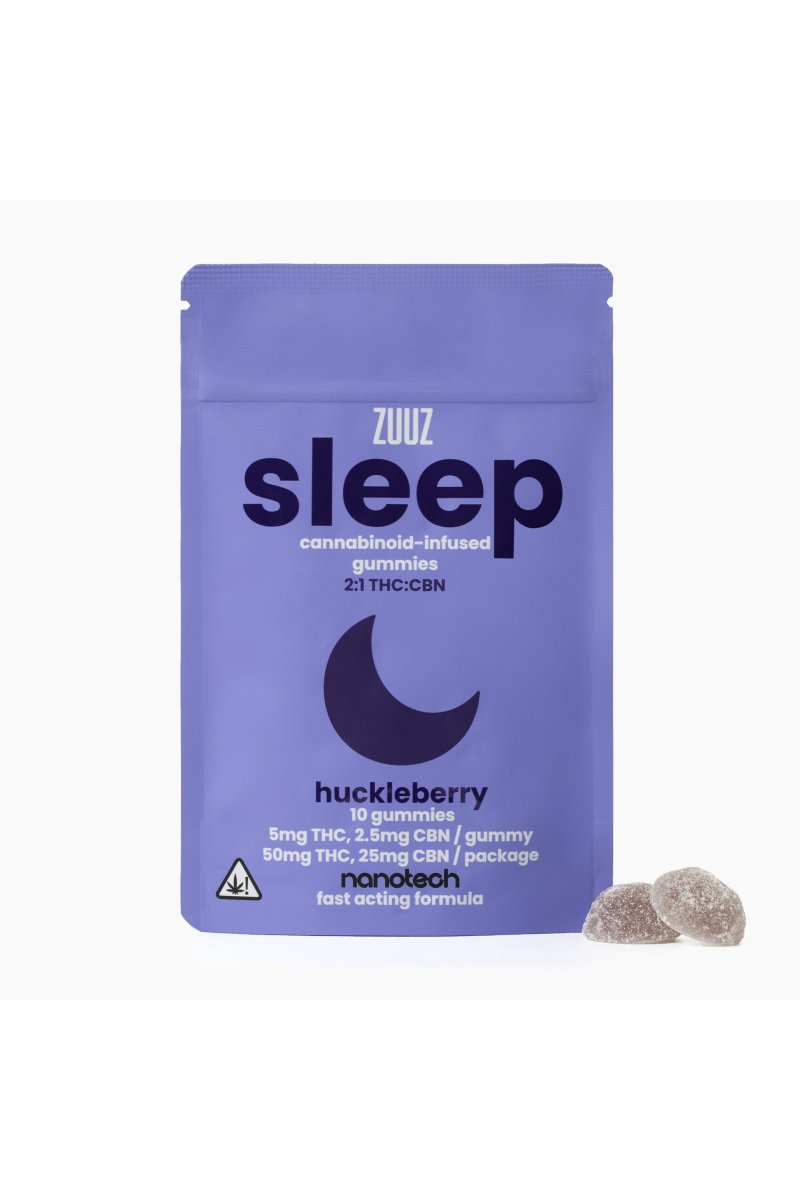
The decision ultimately comes down to finding a product that is consistent, clean, and appropriately dosed. ZUUZ formulates its Sleep Gummies with 5mg of nanotech THC and 2.5mg of nanotech CBN per gummy, using an advanced extraction method designed for faster absorption and smoother effects. Every batch is third-party lab tested, and the sugar-free formulation means you are not trading one sleep problem for a metabolic one. If you are ready to experience a science-backed approach to restful sleep, explore ZUUZ Sleep Gummies and feel the difference in your bedtime routine.
Frequently Asked Questions
Are sugar-free THC gummies keto-friendly?
Yes, most sugar-free THC gummies are keto-friendly. Instead of sugar, they use sweeteners like stevia, monk fruit, or allulose, which have a negligible impact on blood sugar. This makes them a suitable choice for those following a ketogenic or low-glycemic diet. Always check the label for sugar alcohols like maltitol, which can affect blood sugar more than other alternatives and may cause digestive upset in some people.
How does CBN work with THC for sleep support?
CBN is a cannabinoid often called the 'sleepy cannabinoid.' While THC is known for its psychoactive effects and relaxation properties, CBN is believed to promote sedation. When combined, they create an entourage effect, where the compounds work together to enhance each other's benefits. This pairing can be more effective for sleep than either cannabinoid alone, helping you fall asleep faster and stay asleep longer.
Is it okay to take THC gummies every night for sleep?
Taking THC gummies occasionally can be a helpful sleep aid, but nightly use can lead to tolerance, meaning you need a higher dose to get the same effect. This can also make it harder to sleep without them. To manage tolerance, try using them only on nights when you truly need support, or take periodic breaks. Always follow the dosing guidelines on the product and consult a healthcare provider for personalized advice.
How do I know the lab testing on THC gummies is legit?
Look for a Certificate of Analysis (COA) from a third-party lab. This report should verify the levels of THC, CBN, and other cannabinoids, and screen for contaminants like pesticides and heavy metals. The COA should be easily accessible, often via a QR code on the product packaging. Check that the report is recent and matches the product's batch number. This transparency is a strong sign of a quality brand.