

5 Ways to Avoid Sugar Crashes From Edibles
Table of Contents
- Why Edibles Can Cause a Sugar Crash
- How to Prevent a Sugar Crash: 5 Practical Steps
- What to Eat With Edibles to Keep Blood Sugar Steady
- Sugar-Free THC Gummies: A Smarter Choice for Blood Sugar
- How Long Does a Sugar Crash Last?
- When to Seek Urgent Care
- Conclusion
- Frequently Asked Questions
Last Updated: October 18, 2026
Why Edibles Can Cause a Sugar Crash
Most people blame the THC when they feel shaky and wiped out an hour after an edible, but sugar crashes from edibles are often the real culprit.
Here is the core issue: a sugar crash happens when your blood sugar rises fast and then drops quickly. Your body releases insulin to clear the glucose, and it can overshoot. The result is fatigue, shakiness, and a foggy head.
The Edible Ambiguity: Sugar Crash vs. THC Effects
The phrase "sugar crashes from edibles" gets used two different ways, and the advice changes depending on which one you mean. It helps to separate them before you change anything about how you consume.
Meaning 1: A blood glucose dip after eating a sugary edible. This is the dietary-sugar story.
Meaning 2: A cannabis comedown that feels like a crash. Cannabis edibles can produce tiredness, dry mouth, a racing heart, low mood, and foggy thinking as the high fades.
So how do you tell them apart? Timing and product composition are the two best clues.
- Onset timing. Traditional cannabis edibles often take 30 to 120 minutes to produce noticeable effects, and peak effects can arrive later than people expect. A dietary glucose dip typically shows up within one to two hours of eating and eases within another hour or so. If your symptoms arrive well after the edible's expected onset and track with the high fading, a comedown is more likely.
- What was in the product. A gummy with little or no sugar is an unlikely cause of a meaningful glucose swing. A chewy candy built on corn syrup or cane sugar is a different story. Read the nutrition panel before you blame the THC.
- Whether food fixes it. A small protein-and-fiber snack tends to take the edge off a mild glucose dip. It does little for a cannabis comedown, which usually just needs time, water, and rest.
- Your own history. If you have diabetes, prediabetes, or a history of reactive lows after sugary foods, the glucose explanation deserves more weight. If you have none of those and the pattern only appears with high-THC products, the comedown explanation is more likely.
Why the Distinction Matters for Prevention
If your crashes are glucose-driven, the fix is dietary: pair the edible with protein, fat, and fiber, and reduce the sugar load in the product itself. If they are comedown-driven, the fix is different: manage dose, avoid redosing too early, stay hydrated, and give the effects time to resolve. Treating a comedown as a sugar crash leads people to eat more sugar, which can then create a real glucose swing on top of the comedown.
How to Prevent a Sugar Crash: 5 Practical Steps
You can prevent most glucose-driven crashes with a few simple habits. None of them require giving up edibles. They change how and when you eat them, and they add the edible-specific mechanics that general blood-sugar advice leaves out.
Below is the short version. Each step gets its own breakdown after this.
- Pair your edible with protein and healthy fats.
- Pick high-fiber foods and whole grains.
- Time your edible around balanced meals and respect onset.
- Stay hydrated and move after meals.
- Limit high-glycemic foods and sugary drinks, and watch portions.
Step 1: Pair Your Edible With Protein and Healthy Fats
Protein and fat slow digestion, so glucose enters your blood more gently. That gentler slope means a softer landing later.
Try a handful of nuts (about a quarter cup), a tablespoon of nut butter, or a few cubes of cheese with your edible. Greek yogurt or a glass of milk works too. These pairings blunt the spike, which is the whole game.
A common mistake is eating an edible on a totally empty stomach and calling it a day. That sets you up for a fast rise and a hard drop.
Step 2: Choose High-Fiber Foods and Whole Grains
Fiber is your quiet ally. It slows how fast carbohydrates break down, which keeps blood sugar levels steadier.
Build your snack around whole grains and fiber-rich foods:
- Whole-grain crackers or toast
- Apple slices with the skin on
- Berries
- Oats
- A small salad with beans
These choices also keep you full, so you are less likely to reach for candy an hour later. Fewer sugary foods in the mix means fewer crashes. A practical target is to get a few grams of fiber into the snack that accompanies your edible; a piece of whole-grain toast or an apple with the skin gets you there without measuring.
Step 3: Time Your Edible Around Balanced Meals and Respect Onset
When you eat matters as much as what you eat. Taking an edible right after a balanced meal gives your body a buffer.
A balanced meal mixes carbohydrates, protein, and healthy fats. That combo slows the whole process down.
Edibles add a timing wrinkle that ordinary snacks do not. Traditional cannabis edibles often take 30 to 120 minutes to produce noticeable effects, and peak effects can arrive later than people expect.
Breakfast matters here too. People who skip it often run low and then overcorrect with sugar later. Steady meals beat feast-and-famine every time.
Step 4: Stay Hydrated and Move After Meals
Water does more for blood sugar than most people realize. Dehydration can make you feel shaky and tired, which mimics a crash and makes it worse.
Keep a glass of water nearby when you use an edible. Then add light movement. A short walk after eating helps your muscles pull glucose out of your blood.
You do not need a gym session. Ten minutes of walking, stretching, or tidying up counts as physical activity. Movement after meals is one of the simplest habits on this list.
Set a timer for 20 minutes after your edible and take a short walk. The movement helps your body handle the sugar, and the change of scene softens any anxious edge. Keep water with you; dry mouth from the edible can push you toward sugary drinks, which is the opposite of what you want.
Step 5: Limit High-Glycemic Foods and Sugary Drinks, and Watch Portions
This is the step people skip, and it is the one that matters most. High-glycemic foods and sugary drinks spike blood glucose fast. Soda, juice, and candy are the usual suspects.
Check food labels. Added sugar hides in places you would not expect. Swap sugary drinks for water or unsweetened tea. Choose whole-food choices over packaged snacks when you can.
Portion sizes count too. A small taste of something sweet is fine. A full bag of candy alongside an edible is a recipe for a crash.
What to Eat With Edibles to Keep Blood Sugar Steady
The best snacks combine fiber, protein, and fat. That trio keeps your blood sugar on an even keel while the edible does its work.
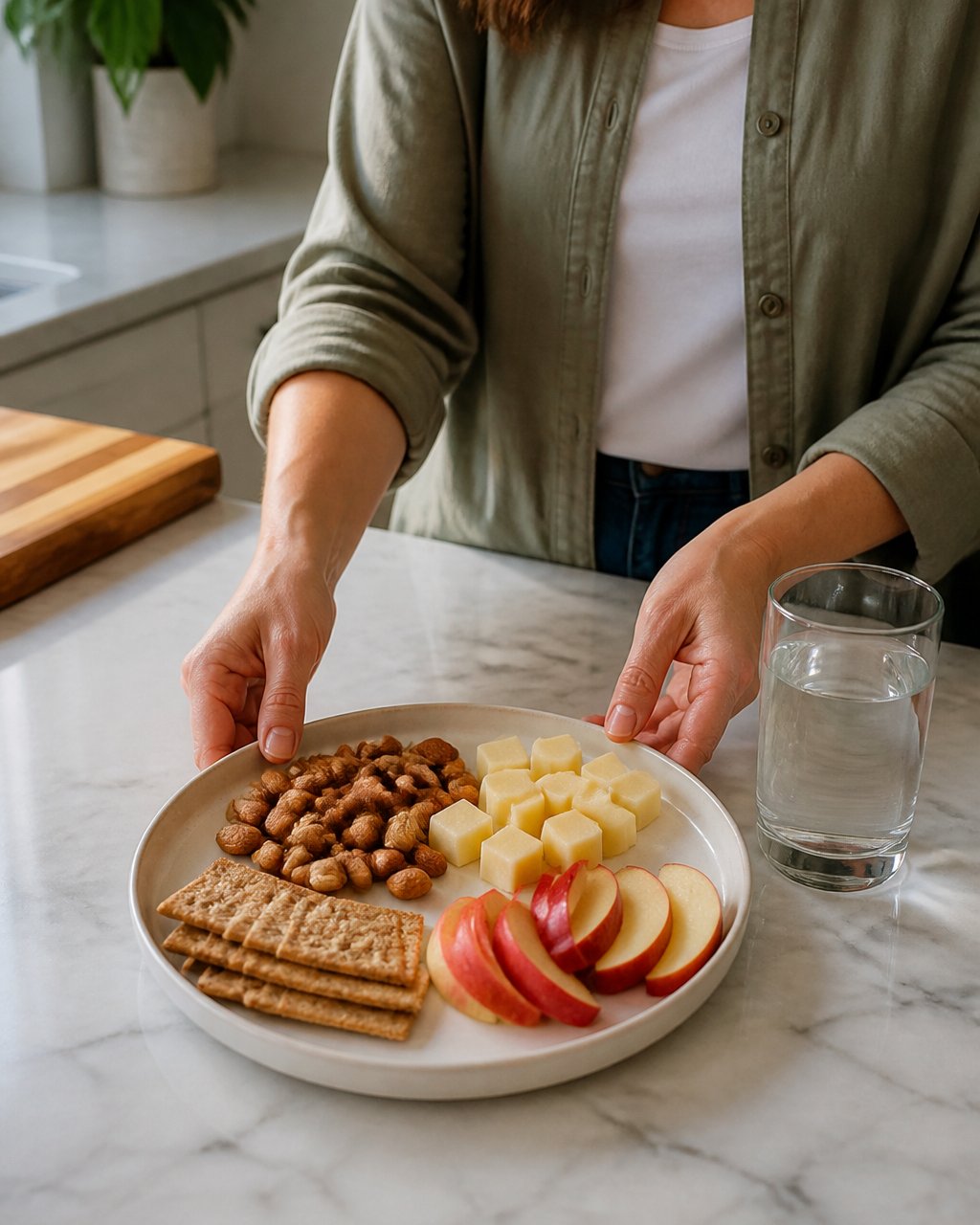
Here are solid options to keep on hand:
- Almonds or walnuts
- Nut butter on whole-grain toast
- Cheese and whole-grain crackers
- Greek yogurt with berries
- Hummus with vegetables
- A hard-boiled egg
Notice the pattern. Each option pairs a carbohydrate with protein or fat and adds fiber where it can. That is the formula. Learn it and you can build your own combinations.
Sugar-Free THC Gummies: A Smarter Choice for Blood Sugar
The simplest way to avoid a sugar crash from an edible is to remove the sugar. Sugar-free THC gummies skip the spike entirely, so there is no sharp drop to recover from.
This is where product choice does the heavy lifting. Our sugar-free tarts at ZUUZ are built for exactly this reason. No sugar load means no sugar crash to manage.
Our edibles also use a nanotech extraction method. That process is designed for faster, smoother absorption, so the effects come on more predictably.
If blood sugar is your concern, the product itself is the first fix. A sugar-free edible removes the crash at the source, before any of the five steps above even come into play.
How Long Does a Sugar Crash Last?
Most sugar crashes ease within one to two hours. The worst of the shakiness usually passes in 15 to 30 minutes once your body stabilizes.
How long a crash lasts depends on what you ate and how your body responds. A big sugary drink hits fast and fades fast.
If you feel a crash coming, sit down and have a small snack with protein. A few nuts or a piece of cheese can help. Skip the candy, since more sugar just restarts the cycle.
When to Seek Urgent Care
A mild crash is uncomfortable but not dangerous. A true low blood sugar episode, called hypoglycemia, is different. It needs fast action.
Watch for these warning signs:
- Confusion or trouble thinking
- Sweating and clamminess
- A racing heartbeat
- Blurred vision
- Fainting or near-fainting
If you have diabetes and use insulin or glucose monitoring, follow your care plan. Treat a low with fast sugar as your doctor directed, then recheck. For anyone, get emergency help if someone passes out, has a seizure, or cannot be woken.
Conclusion
Managing blood sugar around edibles is a skill, and it is one most people never learn. The good news is that a few habits cover most of it: pair your edible with protein and fat, add fiber, time it around real meals, drink water, and move a little.
The other half is choosing a smarter product. ZUUZ makes sugar-free tarts with a nanotech extraction method, third-party lab testing, and a 60-day money-back guarantee. If you want steady blood sugar and a smoother experience, start with an edible that does not fight your body.
Frequently Asked Questions
Can THC gummies cause a sugar crash?
Yes, THC gummies can cause a sugar crash if they contain high amounts of sugar or high-glycemic ingredients. The sugar spike followed by a rapid drop can leave you feeling shaky, tired, or irritable. Choosing sugar-free THC gummies or pairing your edible with protein, fiber, and healthy fats helps stabilize blood sugar and reduces the risk of a crash.
How can you tell the difference between a sugar crash and an edible's effects?
A sugar crash typically brings physical symptoms like shakiness, sweating, sudden fatigue, and hunger, often within 1-2 hours after eating sugary foods. Edible effects include euphoria, relaxation, altered perception, and sometimes anxiety or dry mouth. If you feel lightheaded, confused, or have a racing heart, check your blood sugar if possible and eat a small snack with protein. When in doubt, treat it as a sugar crash first.
Do sugar-free edibles help prevent sugar crashes?
Sugar-free edibles eliminate the added sugar that can spike blood glucose, making them a smart choice for avoiding sugar crashes. However, they may still contain other carbohydrates or sugar alcohols that affect some people. Look for products with minimal glycemic impact and pair them with protein or fiber. Always check labels and start with a low dose to see how your body responds.
What should you do if you feel unwell after taking an edible?
If you feel unwell after an edible, sit down, drink water, and eat a small snack with protein or complex carbs if you suspect low blood sugar. Avoid panicking; THC effects peak after 1-3 hours and usually fade. If you experience severe symptoms like confusion, vomiting, chest pain, or difficulty breathing, seek urgent medical care. For non-emergency concerns, contact a healthcare provider or poison control.