
5 Ways to Improve Sleep Quality Naturally
Table of Contents
- Why Natural Sleep Changes Beat Another Sleep Aid
- How Much Sleep Do Adults Need to Function Well?
- 1. Sleep Hygiene Tips That Actually Move the Needle
- 2. How to Fall Asleep Faster Naturally (Without Counting Sheep)
- 3. Build the Best Bedtime Routine for Adults in 30 Minutes
- 4. Move Earlier, Sleep Better: Exercise Timing and Daylight
- 5. When to Add a Sleep Gummy to Your Natural Routine
- Common Mistakes That Undo Natural Sleep Improvements
- Frequently Asked Questions
Last Updated: October 19, 2026
Why Natural Sleep Changes Beat Another Sleep Aid
Most sleep aids treat the symptom and skip the cause. A pill can knock you out, but it won't fix the racing thoughts, the 2 a.m. wake-up, or the grogginess that follows you into the morning meeting. At ZUUZ, we hear the same frustration from busy parents and high-pressure professionals: they want to improve sleep quality without feeling foggy the next day.
Natural sleep changes work differently. They adjust the conditions your body needs to fall asleep on its own, so the result lasts longer than a single night. Below, we'll show you exactly how to build that routine, and where a sleep gummy fits in when the basics aren't enough. Establishing these foundational habits often reveals that natural sleep supplements provide the necessary support to bridge the gap between restless nights and consistent, restorative rest.
How Much Sleep Do Adults Need to Function Well?
Most adults need seven to nine hours of sleep per night to function well, according to sleep health guidance from the CDC. Falling short of that range affects focus, mood, and reaction time long before you notice it yourself.
The number matters, but consistency matters more. Going to bed and waking at the same time, even on weekends, trains your body clock to expect rest at a predictable hour. A common mistake is chasing a weekly hour total while keeping a chaotic schedule. In practice, a steady seven beats an erratic nine.
1. Sleep Hygiene Tips That Actually Move the Needle
Sleep hygiene tips work best when you treat them as a system, not a checklist. The habits below target the conditions that keep most people awake: a warm room, bright light, and noise they've stopped noticing.
Start with the basics:
- Keep a consistent wake time, even after a rough night
- Get bright light within an hour of waking
- Cut caffeine after early afternoon
- Keep screens out of the last hour before bed
- Reserve the bed for sleep, not email
Temperature, Light, and Noise: The Three Levers
These three levers control most of the difference between a restless night and a deep one. A cool room, near-total darkness, and steady background sound tell your nervous system the day is over.
- Temperature: Most people sleep best in a cool room. A bedroom that runs warm keeps your core temperature elevated and fragments sleep.
- Light: Blackout curtains and a covered phone screen matter more than most people realize. Even dim light signals wakefulness.
- Noise: A fan or white-noise machine masks the sudden sounds, like a door or a car, that jolt you awake.
Adjust all three before you buy anything else. They cost little and fix a lot.
2. How to Fall Asleep Faster Naturally (Without Counting Sheep)
To fall asleep faster naturally, stop trying to force it. The harder you chase sleep, the more alert you become. Instead, give your body a wind-down signal it can't ignore.
The 20-minute rule helps here. If you're still awake after about 20 minutes, get up and do something quiet in dim light until you feel drowsy. Staying in bed and stewing trains your brain to associate the bed with frustration.
Breathing exercises help too. Slow, steady breaths, with a longer exhale than inhale, calm the nervous system within a few minutes. Many people find that a simple four-count in, six-count out pattern works as well as anything on an app.
3. Build the Best Bedtime Routine for Adults in 30 Minutes
The best bedtime routine for adults takes about 30 minutes and follows the same order every night. Repetition is the point: your brain starts to link the sequence with sleep.
Here is a routine you can copy tonight:

- Minutes 0-10: Dim the lights and put screens away
- Minutes 10-20: Wash up, brush teeth, change into sleep clothes
- Minutes 20-30: Read a few pages or stretch in low light, then lights out
Keep it boring. Novelty wakes you up; sameness winds you down. If you want to improve sleep quality with the least effort, protect this half hour and don't negotiate with it.
4. Move Earlier, Sleep Better: Exercise Timing and Daylight
Exercise helps sleep, but timing decides whether it helps or hurts. A vigorous workout within a couple of hours of bed can leave you wired. Move it earlier in the day and the same effort becomes a sleep aid.
Daylight works the same way. Morning light anchors your body clock, while late-evening light pushes it later. A short walk after dinner gets you both movement and a natural dimming of the day, which sets up an easier bedtime.
You don't need a gym. A brisk walk, a bike ride, or twenty minutes of yard work counts. The goal is regular movement, not intensity.
5. When to Add a Sleep Gummy to Your Natural Routine
A sleep gummy makes sense when your routine is solid and sleep still won't come. It's the last step, not the first. If you've fixed your schedule, your room, and your wind-down and you're still staring at the ceiling, a targeted gummy can bridge the gap.
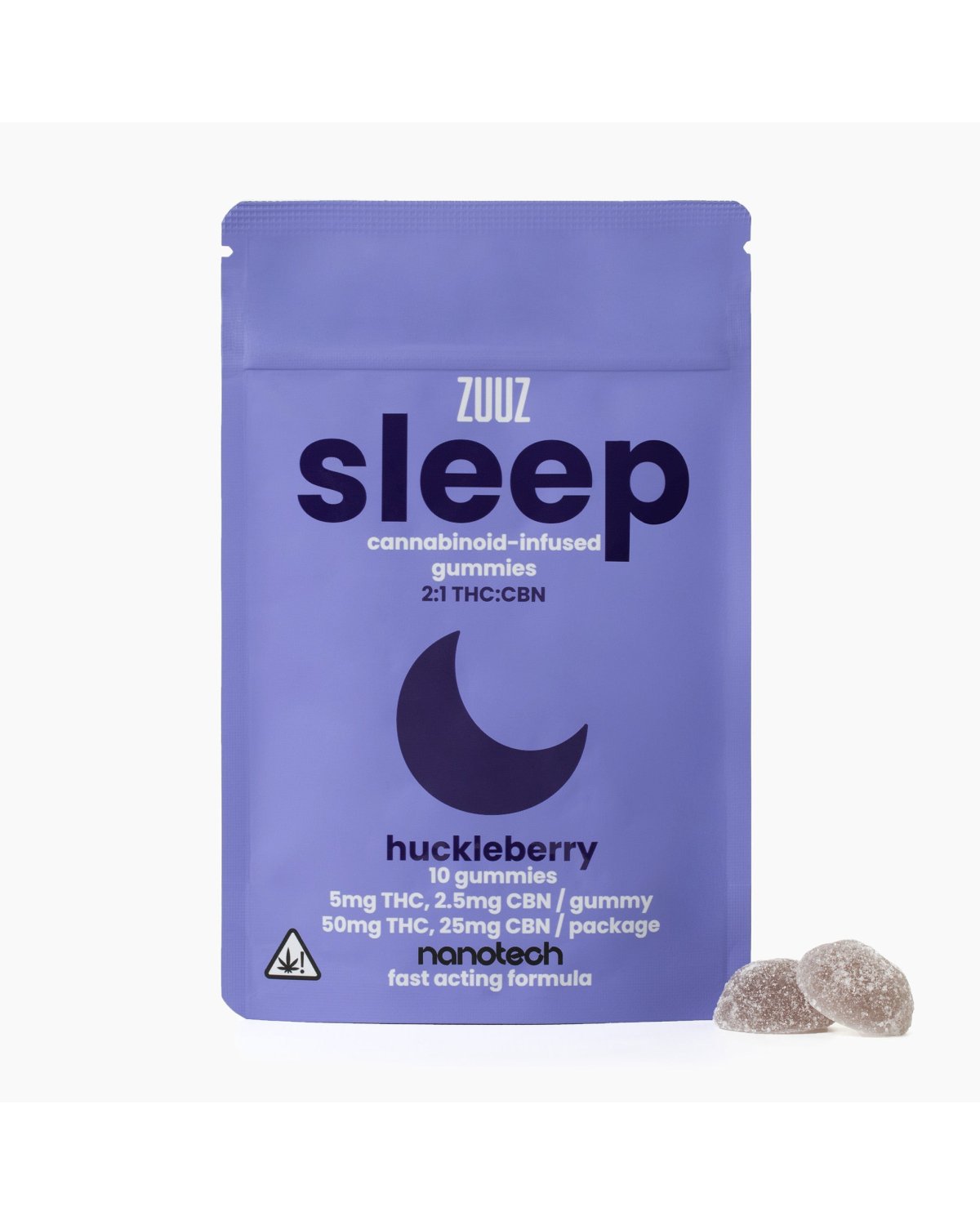
This is where ZUUZ comes in. Our Sleep Gummies pair 5mg of nanotech THC with 2.5mg of nanotech CBN per gummy, the cannabinoid many people associate with rest. The nanotech extraction is designed for faster, smoother absorption, so the effect is consistent rather than a coin flip. You get calming relaxation and peaceful sleep without the grogginess the next morning.
For nights when stress, not sleep, is the problem, our Calm gummies take the edge off without knocking you out. Every ZUUZ product is science-backed, third-party lab tested, and covered by a 60-day money-back guarantee.

Common Mistakes That Undo Natural Sleep Improvements
The most common mistakes are subtle, and they quietly cancel out the good habits you've built. Watch for these:
| Mistake | What It Does | Fix |
|---|---|---|
| Inconsistent wake time | Confuses your body clock | Pick one time, keep it daily |
| Late caffeine | Stays in your system for hours | Cut it off by early afternoon |
| Warm, bright bedroom | Fragments deep sleep | Cool the room, block the light |
| Doomscrolling in bed | Trains brain to stay alert | Leave the phone in another room |
| Adding a gummy too early | Masks habits you could fix | Nail the routine first |
One more: expecting overnight results. Natural sleep changes build over one to two weeks. Give the routine time before you judge it, and adjust one variable at a time so you know what's working.
Frequently Asked Questions
What are five natural ways to improve sleep quality?
The five most reliable levers are sleep hygiene (a cool, dark, quiet room), a wind-down routine that starts 30 minutes before bed, consistent sleep and wake times, morning daylight plus daytime movement, and cutting caffeine and alcohol close to bedtime. Each one is free, and stacking them matters more than perfecting any single habit. Most adults notice a difference within two to three weeks of applying them consistently.
How much sleep do adults need to feel rested?
Most adults need seven to nine hours per night, according to widely cited sleep guidance. The right number for you is the amount that lets you wake without an alarm and stay alert through the afternoon. If you regularly need caffeine to function before noon, you are likely running a sleep debt. Track your bedtime and wake time for a week to find your personal baseline before changing anything else.
What should I avoid before bed to sleep better?
Caffeine has a long half-life, so a 3 p.m. coffee can still be active at 9 p.m. Alcohol helps you fall asleep but fragments the second half of the night. Heavy meals, vigorous exercise, and bright screens within an hour of bed all push your body clock later. Try moving your last caffeine to early afternoon and dimming lights an hour before bed to see the fastest change.
Can a THC sleep gummy fit into a natural routine?
Yes, as a complement rather than a replacement. ZUUZ Sleep Gummies combine 5mg nanotech THC with 2.5mg CBN per gummy and cost $32.00, designed to calm racing thoughts without next-day grogginess. They work best after you have fixed the basics: consistent schedule, dark room, and a wind-down routine. Start with one gummy and give it a few nights before adjusting.
When should I talk to a doctor about poor sleep?
See a doctor if you have snored heavily, gasped for air, or woken with a dry mouth for weeks; if insomnia persists past three months despite better habits; or if daytime sleepiness interferes with driving or work. These signs can point to sleep apnea or another condition that lifestyle changes alone will not fix. Bring a two-week sleep log to the appointment to make the conversation faster and more useful.
Better sleep rarely comes from a single fix. It comes from a routine you can actually keep, a room built for rest, and, when you need it, a little support that doesn't leave you foggy. If you've done the basics and still want help winding down, ZUUZ is here with fast-acting, lab-tested Sleep Gummies and a 60-day money-back guarantee. Get started with ZUUZ and wake up feeling like yourself again.