
Can You Avoid a Harsh Comedown From Edibles?
Last Updated: October 25, 2026
Quick Summary
You can avoid a harsh edible comedown by starting at 2.5 mg of THC or less and waiting at least 90 minutes before redosing, since most bad nights come from redosing too early. Staying hydrated, skipping alcohol, and keeping the dose low also reduce the foggy aftereffects.
- Take less than one 10 mg serving and wait at least 90 minutes, up to four hours, before taking more.
- An edible high typically runs four to six hours, with peak effects one to three hours after eating.
- If an edible feels too strong, sit somewhere calm, sip water slowly, and breathe in for four counts and out for six.
- Call poison control at 1-800-222-1222 if someone took an unknown amount or a child or pet ate an edible.
- Drink a full glass of water before bed and skip late-night redosing to prevent a weed hangover.
Table of Contents
- Why Edibles Hit Harder Than You Expect
- Edible Dosage for Beginners: Start Low, Go Slow
- How Long Do Edibles Last? A Realistic Timeline
- What to Do If You Get Too High From Edibles
- THC Edible Anxiety: Why It Happens and How to Calm It
- Preventing the Weed Hangover: Hydration, Rest, and Recovery
- Choosing a Smoother Edible: What to Look For
- Frequently Asked Questions
Why Edibles Hit Harder Than You Expect
A harsh edible comedown usually starts with one wrong assumption: that an edible behaves like a vape or a joint, so the edible comedown catches you off guard. The Lower-Risk Cannabis Use Guidelines note that edibles remove respiratory risk, but they introduce a different problem: your liver converts THC into a stronger compound, and the dose arrives all at once.
That lag is the trap. You feel nothing for an hour, decide the gummy "didn't work," and take another. Then both doses land together.
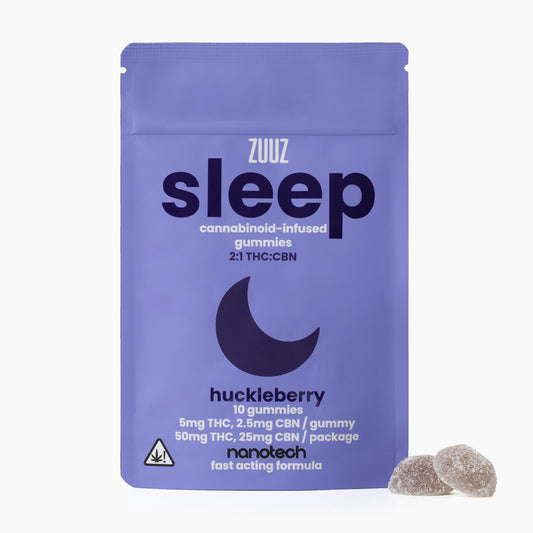
At ZUUZ, our nanotech extraction method is designed for faster, smoother absorption, aiming to reduce the gap between "nothing" and "too much."
Below, we'll show you how to dodge the rough landing, from dose to recovery.
Edible Dosage for Beginners: Start Low, Go Slow
The safest starting dose for a beginner is 2.5 mg of THC or less, taken once and then left alone. Colorado's edible safety guidance goes further: if you're unsure how a product will affect you, take less than one 10 mg serving and wait at least 90 minutes, up to four hours, before taking more.
That waiting window is the whole game. Most bad nights come from redosing too early, not from the first dose.
A simple beginner routine:
- Start at 2.5 mg and note the time
- Wait a full 90 minutes before judging it
- Drink water while you wait
If you want a step-by-step walkthrough, our guide on safe THC gummies for beginners covers how to start in 2026. Worried about tipping into anxiety? Read how to dose THC without anxiety before your first session.
| Dose | Best For | Expected Feel |
|---|---|---|
| 2.5 mg | First-timers | Mild, gentle body ease |
| 5 mg | Regular beginners | Clear, manageable buzz |
| 10 mg | Experienced users | Strong, full effect |
| 10 mg+ | High tolerance only | Heavy, higher comedown risk |
How Long Do Edibles Last? A Realistic Timeline
An edible high typically runs four to six hours, with peak effects landing one to three hours after you eat it. The comedown adds another few hours on top, which is why people wake up groggy.
Here's the realistic arc:
- 0-30 minutes: nothing yet, maybe mild anticipation
- 30-90 minutes: first effects, often subtle
- 1-3 hours: peak effects, strongest intensity
The delayed effects catch people off guard. A review in "Tasty THC" on edible challenges points out that edible absorption is unpredictable, so two people eating the same gummy can peak at very different times.
What to Do If You Get Too High From Edibles
If an edible feels too strong, the first move is to stop taking anything else and sit down somewhere calm. Nothing you're feeling is permanent, and the peak will pass. But "wait it out" is not always the right call, and the difference between a rough night and a medical emergency comes down to a few specific signs.
The first 15 minutes: lower the input
- Put your phone down and stop checking the clock. Time distortion is a core effect of THC, and clock-watching makes it worse.
- Sit or lie down somewhere safe. Standing and pacing raises heart rate and feeds the panic loop.
- Sip water slowly. Small amounts, not a full glass at once, especially if you feel nauseated.
- Breathe in for four counts, out for six. The longer exhale is the part that actually calms your nervous system.
- Dim the lights, lower the noise, and change rooms if the current one feels oppressive.
- Eat a small, bland snack if your stomach feels off. Crackers or toast are better than a heavy meal.
- Call someone you trust if you're alone and scared. You do not need to be alone through a bad edible high.
Skip alcohol entirely. It makes confusion, dizziness, and nausea worse, and it adds a second depressant to a nervous system that is already overloaded.
When to escalate: a decision guide
Most bad edible experiences resolve on their own within a few hours. But some signs mean you should stop waiting and get help. Use this as a quick triage:
Call poison control (1-800-222-1222) if:
- You or someone else took an unknown amount or an unknown product
- A child or pet ate an edible
- You are unsure whether the symptoms are from THC or something else
Call 911 or go to an emergency department if:
- Someone is vomiting repeatedly and cannot keep fluids down
- There is chest pain, a racing heart that will not slow, or difficulty breathing
- Someone is disconnected from reality, combative, or cannot be calmed
Call a clinician or nurse line if:
- Symptoms are milder but lasting longer than expected (beyond 12 hours)
- You have an underlying heart condition, are pregnant, or take prescription medication
- You are caring for someone and are unsure whether to ride it out
A caregiver checklist
If you are the sober person in the room, your job is supervision, reassurance, and environment, not trying to "talk them down" with logic. A calm, step-by-step approach works better than debate:
- Stay with them. Do not leave someone alone who is disoriented or panicking.
- Speak slowly and in short sentences. Remind them the feeling is temporary and caused by a known substance.
- Lower the stimulation: dim lights, quiet the room, reduce the number of people around.
What not to do
- Do not take a second edible to "level out." It will stack on the first dose and extend the peak.
- Do not drink alcohol to calm down. It worsens confusion and nausea.
- Do not drive or operate machinery, even if you feel like you've "come down." Reaction time and judgment lag behind how you feel.
THC Edible Anxiety: Why It Happens and How to Calm It
THC edible anxiety is a short-term reaction to a dose that outran your tolerance, not a sign something is broken. High doses speed up heart rate and distort time, and your brain reads those signals as danger. The result is a feedback loop: the faster your heart beats, the more convinced you become that something is wrong, which raises your heart rate further.

Breaking that loop is the whole job. It comes down to lowering input, raising comfort, and reminding yourself of the mechanism.
What actually helps
- Dim the lights and cut the noise. Sensory overload feeds anxiety. A quieter, darker room gives your nervous system less to process.
- Use grounding. Name five things you can see, four you can touch, three you can hear, two you can smell, one you can taste. This pulls attention out of the panic loop and into the present.
- Try slow breathing with a longer exhale. In for four counts, out for six. The extended exhale is the part that signals safety to your nervous system.
Popular remedies: what the evidence actually supports
Black pepper, lemon, and CBD are passed around constantly as ways to "cancel" an edible high. It's worth being honest about what they can and cannot do.
- Black pepper (caryophyllene): Some early research suggests the terpene caryophyllene can interact with cannabinoid receptors, and anecdotal reports describe it as calming. The evidence is limited and mostly preclinical. Treat it as a comfort measure, not a reliable way to reverse intoxication.
- Lemon or citrus: Anecdotal reports suggest citrus aromas or juices feel refreshing during a comedown. There is no strong evidence that lemon reverses THC effects. It is harmless comfort, not a cure.
- CBD: Some users report that CBD softens the edge of a THC high, but study results are mixed and dose-dependent. It is not a reliable antidote, and it can interact with other medications.
Medication and health-condition cautions
THC anxiety is not only about dose. It also depends on what else is in your system and what your baseline health looks like. Before using edibles, talk to a healthcare professional if any of the following apply:
- You take medication for anxiety, depression, or sleep. THC can interact with these medications, and the combination can heighten anxiety or sedation.
- You take blood thinners or heart medication. THC can affect heart rate and blood pressure, and interactions are possible.
- You have a history of panic attacks, psychosis, or bipolar disorder. High-dose THC can trigger or worsen symptoms in people with these conditions.
A common pattern is that people who experience severe edible anxiety have either taken too high a dose, combined THC with alcohol or other substances, or used a product with inconsistent dosing. If anxiety happens repeatedly, the fix is usually dose and product, not willpower.
For a deeper look at the mechanism and fixes, see our article on why edibles cause anxiety.
Preventing the Weed Hangover: Hydration, Rest, and Recovery
A weed hangover is the groggy, foggy, slightly headachy feeling the morning after an edible. It's tied to dose, dehydration, and poor sleep, which means it's largely preventable.
Build these into your night:
- Drink a full glass of water before bed
- Keep the dose low and skip late-night redosing
- Get to sleep at a normal hour
Rest is the real fix. Sleep lets your body clear the THC, and most people feel normal within a day.
For a full recovery routine, our guide on how to avoid an edible hangover breaks down the timing and habits that help most.
Choosing a Smoother Edible: What to Look For
The edible itself matters as much as the dose. A product with consistent dosing and predictable onset gives you far less chance of a rough comedown.
Look for these:
- Clear per-piece dosing so you know exactly what you're taking
- Third-party lab testing you can actually verify
- Consistent onset rather than a wild swing
This is where we'd point you to our own line. Our Gummy Starter Pack is available for $32.00, offering four 5 mg options designed to help you find your ideal dose. Our calm gummies are $19.00 and are designed to help you stress less.


Want a deeper breakdown of picking gentler products? Read how to choose gentle THC edibles.
Frequently Asked Questions
How can you avoid a bad comedown from edibles?
Start with a low dose, often 2.5 to 5 mg of THC, and wait at least 90 minutes to two hours before taking more. Colorado's Marijuana Enforcement Division advises consuming less than one 10 mg serving when you are unsure of effects. Staying hydrated, eating a light snack, and resting in a calm environment also help reduce the harsh aftereffects that follow a strong edible high.
How long can edible effects last?
Edible effects typically begin within 30 to 90 minutes and can last four to six hours, with peak effects arriving around two to three hours after eating. Because digestion delays onset, many people redose too soon and end up far higher than intended. If you feel too high, remember that the peak passes. Rest, hydrate, and give your body time rather than taking more.
Why can THC edibles cause anxiety or discomfort?
THC edible anxiety often comes from taking too much at once or from the delayed onset that leads to accidental overconsumption. A strong edible can raise heart rate and cause confusion, dizziness, or paranoia. Taking a low dose, choosing a product with consistent potency, and staying in a comfortable setting all reduce the chance of a bad high and a rough comedown.
When should you seek medical help after consuming an edible?
Call poison control or emergency services if someone has chest pain, severe difficulty breathing, repeated vomiting, extreme confusion, fainting, or thoughts of self-harm. UCHealth reports edible-related emergency-room visits were 33 times higher than expected, so do not wait out serious symptoms. For mild discomfort, supportive care like water, rest, and a calming environment is usually enough.
Most people who get a harsh comedown aren't reckless. They just redosed too early or started too high.
ZUUZ makes edibles with nanotech extraction for faster, smoother absorption, third-party lab testing, and sugar-free options, all backed by a 60-day money-back guarantee. Get started with ZUUZ and find a dose you can actually trust.