
9 Consistent Sleep Aid Tips for Exhausted Parents
Last Updated: October 26, 2026
Quick Summary
A consistent sleep aid for parents works best when it is built around one protected wake time, a dark cool room, white noise, and a 20-minute phone-free wind-down. Pair that routine with a written night shift-sharing plan so each parent gets one uninterrupted block of rest.
- Set one household wake time and keep it within 60 minutes on weekends.
- Build a 20-minute wind-down that does not involve a phone.
- Split nights into blocks, such as 9 p.m. to 1 a.m. and 1 a.m. to 5 a.m.
- Give the parent with safety-sensitive duties the protected block before their shift.
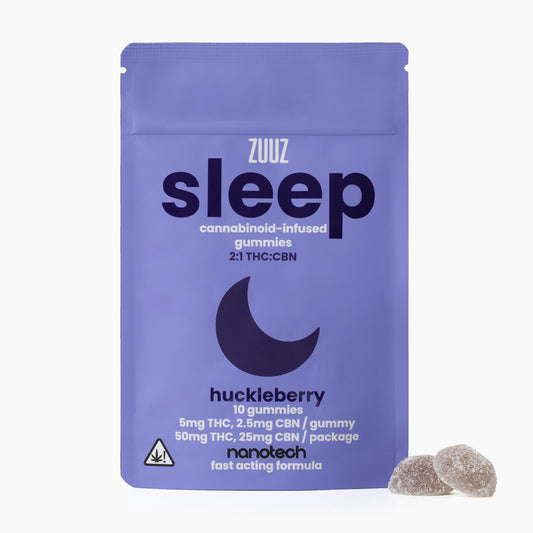
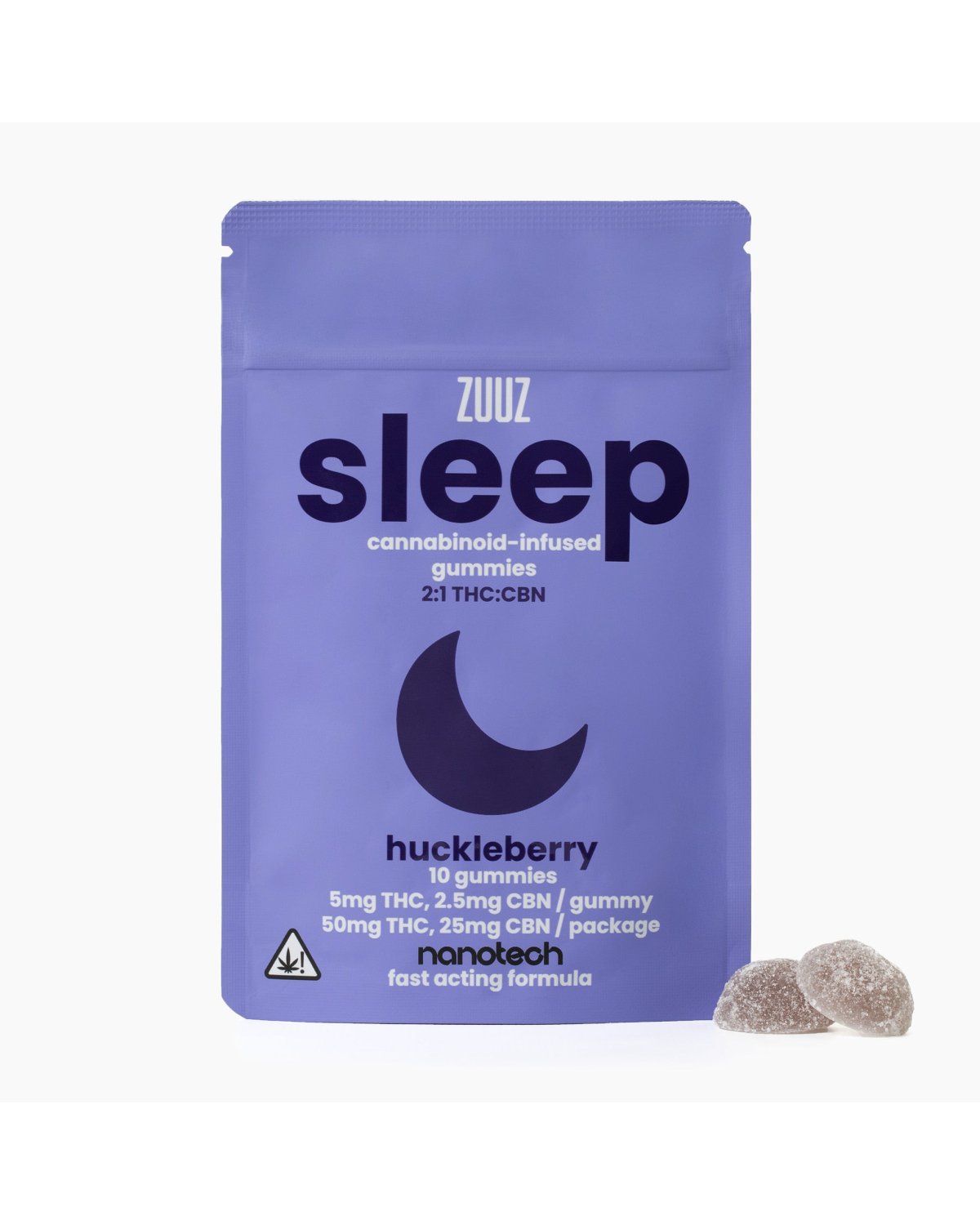
- ZUUZ Sleep Gummies contain 5mg nanotech THC and 2.5mg nanotech CBN each.
Table of Contents
- Why Parents Struggle to Sleep Consistently
- Sleep Hygiene Tips for Parents That Survive Real Family Life
- Natural Sleep Aids for Adults: What the Evidence Supports
- Melatonin for Adults: Dosing, Limits, and What It Won't Fix
- Over-the-Counter Sleep Aids: A Safety Checklist Before You Buy
- Night Waking and Shift-Sharing: A Plan for Co-Parents
- Build Your Consistent Sleep Aid Routine With ZUUZ
- Frequently Asked Questions
Why Parents Struggle to Sleep Consistently
Parents struggle to sleep consistently because their nights are broken by design. A child's cough, a bad dream, a 2 a.m. feed, or a work deadline that pushed bedtime to midnight all interrupt the same fragile block of rest.
The scale of the problem is measurable. In 2024, 12.9% of adults age 18 and older used sleep aids most days or every day in the past 30 days to help them fall or stay asleep, according to the National Center for Health Statistics adult sleep-aid report. That figure covers adults generally.
Here is the part most guides miss. Parents are not just sleep-deprived adults. Their sleep environment is shared, unpredictable, and often controlled by someone under five feet tall.
Sleep Hygiene Tips for Parents That Survive Real Family Life
The trick is making them survive a toddler.
The American Academy of Child and Adolescent Psychiatry recommends a consistent sleep and wake schedule that does not vary by more than 60 minutes between weekdays and weekends, per its parents' medication guide on sleep disorders.

- Set one wake time for the whole household and protect it on weekends
- Move screens out of the bedroom, including the one you scroll in bed
- Keep the room dark and cool, and use white noise to mask a crying child
- Build a 20-minute wind-down that does not involve a phone
- Handle the last feed or story before your own bedtime, not after
Natural Sleep Aids for Adults: What the Evidence Supports
The relationship runs both ways in families. A study in PubMed Central on parents' sleep quality and preschool children's sleep habits examined how parents' own sleep quality and sleep hygiene relate to their children's sleep habits, which supports a practical point: improving a parent's sleep tends to help the whole household.
For a deeper comparison of non-drug options, our guide to natural sleep aids for professionals covers what to look for and what to skip.
Melatonin for Adults: Dosing, Limits, and What It Won't Fix
If you are weighing melatonin against other options, our comparison of melatonin versus THC for sleep lays out the differences directly. And if you want to know why we do not build our products around melatonin, read why we don't use melatonin.
Over-the-Counter Sleep Aids: A Safety Checklist Before You Buy
The label is your first source of truth. Read it before the marketing copy on the front of the box.
Night Waking and Shift-Sharing: A Plan for Co-Parents
| Night Block | Parent On Duty | What It Covers |
|---|---|---|
| 9 p.m. - 1 a.m. | Parent A | First wake-up, feeds, resettling |
| 1 a.m. - 5 a.m. | Parent B | Overnight wakes, early riser |
| 5 a.m. - 7 a.m. | Parent A | Morning routine, giving B a final block |
Adapt the plan to your parenting stage.
Measure whether it is working.
Handle the friction.
If one parent works overnight shifts or has a job with safety-sensitive duties, weight the schedule so that parent gets the protected block before their shift. Sleep deprivation on the job is a safety issue, not just a comfort issue. ::: Prioritizing these rest periods remains essential even when incorporating safe baby sleep aids to help your little one settle during your own recovery time.
Build Your Consistent Sleep Aid Routine With ZUUZ
At ZUUZ, we offer Sleep Gummies with 5mg nanotech THC and 2.5mg nanotech CBN per gummy.
Our approach includes nanotech extraction, third-party lab testing, and a 60-day money-back guarantee. View the Sleep product for its details and price of $32.00.
Frequently Asked Questions
What can parents do to sleep more consistently?
Start with a fixed wake time, even after a rough night, and keep weekend wake-ups within 60 minutes of weekdays, which the American Academy of Child and Adolescent Psychiatry recommends. Then add a short wind-down routine, dim lights in the last hour, and a protein snack before bed. If you want extra support, choose one sleep aid for parents and use it the same way each night so you can judge whether it actually helps rather than guessing from inconsistent use.
Are melatonin gummies a good option for parents?
Melatonin for adults can help with shifting your sleep timing, but it is not a fix for fragmented nights caused by a toddler waking at 2 a.m. The American Academy of Sleep Medicine advises talking to a health care professional before starting any supplement, and the American Academy of Pediatrics says melatonin should never replace established sleep habits. If you try it, keep the dose low, take it at the same time nightly, and stop if you feel groggy the next day.
How can parents improve sleep when a child wakes during the night?
Split the night into shifts so one parent handles wakings before 2 a.m. and the other takes the rest, which protects at least one solid block of sleep each. Keep night interactions boring: low light, minimal talking, no screens. In 2024, about 86% of children had a regular bedtime most days or every day, per CDC data, and that consistency is what reduces night waking over time. Rotate shifts on weekends so neither parent carries the full load.
What is the best over-the-counter sleep aid for a busy parent?
There is no single best option, only the one that fits your nights. Antihistamine-based aids can leave you foggy the next morning, which is risky if you are driving or caring for kids early. Non-drug options like magnesium glycinate or a low-dose THC edible are worth discussing with a health care professional first. Whatever you pick, test it on a low-stakes night before relying on it, and check the label for dosage and third-party testing.
Your nights are not going to fix themselves, and you should not have to guess whether a product will work. Get started with ZUUZ and build a sleep routine you can actually keep, backed by lab-tested formulas and a 60-day money-back guarantee.