
THC vs CBD for Sleep: What the Evidence Shows
Table of Contents
- THC vs CBD for Sleep: Key Differences
- Does THC Help You Sleep
- CBD for Sleep Quality
- How Long Do THC Gummies Last for Sleep
- THC Sleep Side Effects and Safety
- Formulation, Dose, and Timing: What Actually Matters
- Making Your Choice: THC, CBD, or Both
- Frequently Asked Questions
Last Updated: October 11, 2026
THC vs CBD for Sleep: Key Differences
When evaluating THC vs CBD sleep quality, the most important distinction is how each cannabinoid affects your body and mind. THC is psychoactive, it produces the "high" associated with cannabis, while CBD is non-intoxicating and won't impair your mental clarity. Both interact with your endocannabinoid system, but they do so in fundamentally different ways. Understanding these differences helps people make informed choices about which option suits their sleep goals.
THC typically works faster and tends to produce sedation, making it appealing for people struggling with sleep onset. CBD, by contrast, works more gradually and may help with anxiety and restlessness without the psychoactive effects. Neither is inherently "better", the right choice depends on your sleep challenges, tolerance level, and how your body responds.

Does THC Help You Sleep
THC can help with sleep onset, but the full picture requires separating different sleep outcomes and understanding what the evidence actually supports.
Sleep Onset and Time to Fall Asleep
THC does appear to reduce the time it takes to fall asleep. Users commonly report falling asleep 15-30 minutes faster than without it. This effect comes from THC's interaction with CB1 receptors in the brain, which promotes relaxation and reduces the mental activity (racing thoughts, worry) that delays sleep. For people with sleep-onset insomnia, this can be genuinely helpful in the short term.
Sleep Architecture and Sleep Stage Changes
The more complex issue is what happens to sleep quality and structure. Research indicates that regular THC use may suppress REM sleep (the stage associated with dreaming, memory consolidation, and emotional processing) and reduce time spent in deep sleep (slow-wave sleep, critical for physical restoration).
This matters because REM and deep sleep are not interchangeable. Chronic suppression of REM sleep has been linked to mood changes, memory problems, and reduced emotional regulation over weeks to months. Deep sleep loss is associated with impaired immune function and slower physical recovery. So you might sleep 8 hours but feel less rested because the architecture is altered.
Sleep Maintenance and Nighttime Awakenings
THC's effect on staying asleep is less clear-cut. Some users report fewer nighttime awakenings, particularly if anxiety or pain was disrupting their sleep. However, others experience fragmented sleep or early-morning wakefulness as THC levels drop during the night. The variability depends heavily on dose, individual metabolism, and whether THC is addressing an underlying cause of sleep disruption (like chronic pain) or simply masking wakefulness with sedation.
Next-Day Effects and Cognitive Impact
A practical concern is residual impairment. Higher doses of THC (20 mg or more) can produce grogginess, slower reaction time, or impaired attention the next morning, especially in infrequent users or those sensitive to cannabinoids. This "sleep hangover" can offset the benefit of falling asleep faster if it leaves you cognitively compromised during waking hours.
What the Evidence Actually Shows
The evidence for THC and sleep is moderate in strength but limited in scope. Most studies are short-term (weeks to a few months), small in sample size, and often conducted in people with specific conditions (chronic pain, PTSD) rather than primary insomnia. Long-term randomized controlled trials comparing THC to placebo or standard sleep medications over 6-12 months are sparse.
CBD for Sleep Quality
CBD works differently from THC. Rather than directly sedating you, CBD may help by reducing anxiety and promoting a sense of calm. Many people find that CBD helps them relax mentally, which indirectly supports better sleep. It doesn't impair cognition or create intoxication, making it suitable for people who need to wake up sharp.
The evidence suggests CBD may be more helpful for sleep maintenance and overall sleep quality rather than sleep onset. If you wake up frequently or struggle with racing thoughts at night, CBD might address the underlying issue. Some users report that CBD helps them stay asleep longer without the "hangover" feeling that can follow THC use. Combining these cannabinoids with other common supplements for sleep quality can provide a more comprehensive approach to managing nighttime restlessness and achieving deeper rest.
How Long Do THC Gummies Last for Sleep
THC gummies typically take 30-90 minutes to kick in, depending on whether you've eaten, your metabolism, and the product's formulation. Once they take effect, the sedating influence usually lasts 4-8 hours, which covers a full night's sleep for most people. This timing makes gummies practical for bedtime use, you take them, wait for the effect, and drift off.
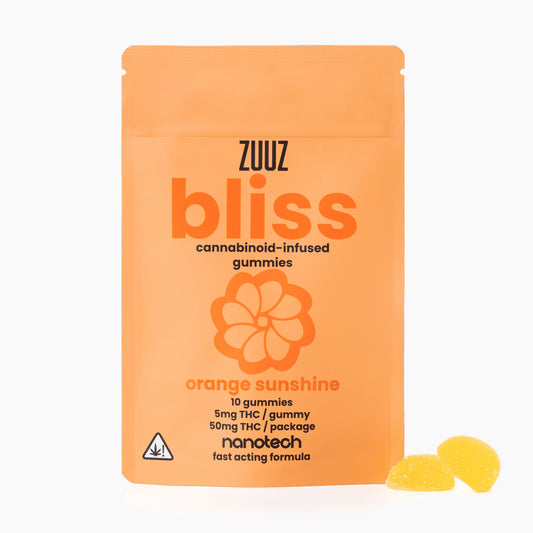
The duration varies based on dose and individual factors. A higher dose may last longer and hit harder, while a lower dose might wear off sooner. ZUUZ's nanotech extraction method is designed to provide faster, more consistent absorption, which means more predictable timing and smoother effects without the anxiety or harsh comedowns associated with traditional products.
THC Sleep Side Effects and Safety
While THC can help with sleep onset, regular use carries risks that extend beyond the immediate night. Understanding the difference between short-term and long-term effects is essential for making an informed choice.
Tolerance and Dose Escalation
Tolerance to THC's sedative effects typically develops within 2-4 weeks of nightly use. This means the dose that helped you fall asleep on day one may be ineffective by week three, prompting users to increase the dose to maintain the same effect. Over months, this can lead to doses substantially higher than the initial amount, which increases the risk of next-day impairment, anxiety, and other adverse effects.
Dependence and Withdrawal
Regular THC use (nightly or near-nightly for weeks or months) can produce psychological dependence and, in some cases, mild physical dependence. When users stop after prolonged use, they often experience rebound insomnia, a temporary but sometimes severe worsening of sleep for 3-7 days (occasionally longer).
Withdrawal symptoms beyond sleep disruption can include irritability, anxiety, and restlessness, though these are generally mild compared to alcohol or benzodiazepine withdrawal. The timeline for recovery varies; most people regain normal sleep within 1-2 weeks of stopping, though some report lingering sleep disturbance for several weeks.
Sleep Architecture Changes Over Time
Chronic THC use is associated with sustained suppression of REM sleep and reduced deep sleep. Unlike tolerance to sedation (which develops quickly), these sleep-stage changes can persist as long as use continues. The long-term consequences of chronic REM suppression are not fully understood, but emerging evidence suggests links to mood dysregulation, memory consolidation problems, and reduced emotional resilience.
Medication and Substance Interactions
THC can interact with several medications. It may potentiate the effects of central nervous system depressants (alcohol, benzodiazepines, opioids), increasing sedation and impairment risk. THC also inhibits cytochrome P450 enzymes, which metabolize many medications, potentially raising blood levels of drugs like warfarin, certain antidepressants, and antiarrhythmics. If you take any regular medications, consult a healthcare provider before using THC for sleep.
Higher-Risk Groups
THC is not appropriate for everyone. People with a personal or family history of psychosis or schizophrenia face an elevated risk of triggering or worsening these conditions, even at doses intended to be calming. Paradoxically, THC can increase anxiety in some users, particularly those with anxiety disorders or those using higher doses.
When to Seek Professional Evaluation
If you've been using THC nightly for more than 4 weeks and are considering stopping, or if you're experiencing worsening sleep despite increasing doses, consult a sleep medicine specialist or your primary care provider.
Formulation, Dose, and Timing: What Actually Matters
The form you choose, gummies, tarts, or other formats, affects how quickly and consistently the cannabinoids reach your system. Gummies are convenient and discreet, but absorption varies based on stomach contents and digestion. Dose is critical: starting low (5-10 mg for THC, 10-25 mg for CBD) and adjusting upward helps you find your personal sweet spot without overshooting into uncomfortable effects.
Timing matters equally. Taking THC 60-90 minutes before your target sleep time gives it time to take effect without leaving you lying awake. CBD can be taken earlier in the evening since it doesn't produce acute sedation. Third-party lab testing ensures you're actually getting what the label claims, a crucial detail when dosing matters for sleep quality and safety.
Making Your Choice: THC, CBD, or Both
When considering THC vs CBD sleep outcomes, if sleep onset is your main challenge, THC may work faster. If anxiety or racing thoughts keep you awake, CBD might address the root cause. Some people find that combining them, a ratio of THC to CBD, provides the best of both worlds: faster sleep onset with less risk of disrupted sleep architecture.
Start with one cannabinoid, track your sleep quality for a week, then adjust. Pay attention not just to how quickly you fall asleep, but how rested you feel the next day. Everyone's endocannabinoid system is different, so what works for someone else may not work for you.
For a reliable, consistent experience, ZUUZ sleep gummies are formulated to deliver predictable effects without the anxiety or harsh comedowns associated with traditional products. Our nanotech extraction method ensures faster absorption and smoother results, backed by third-party lab testing so you know exactly what you're taking. With our 60-day money-back guarantee, you can try them risk-free and see if they support your sleep goals.
The right choice between THC and CBD depends on your specific sleep challenges and how your body responds. Many people benefit from starting with CBD for its calming effects without intoxication, then exploring THC if sleep onset remains difficult. ZUUZ sleep gummies combine quality ingredients with advanced extraction methods to deliver the consistent, reliable effects you need for better rest. Start low, track your results, and adjust based on what actually improves your sleep quality, not just how quickly you fall asleep.
Frequently Asked Questions
Is THC or CBD better for sleep?
THC and CBD work differently. THC acts more quickly on sleep onset and sedation, making it useful for falling asleep faster. CBD works gradually to calm anxiety and support overall sleep quality over time. The choice depends on your primary need: if you struggle to fall asleep, THC may help; if you wake frequently or have racing thoughts, CBD may be more suitable. Many people find combining both cannabinoids effective for comprehensive sleep support.
What are the main THC sleep side effects?
Common THC side effects include grogginess the next morning, memory impairment during sleep, and potential anxiety or paranoia in sensitive users. Long-term use can lead to tolerance, requiring higher doses over time, and stopping suddenly may cause rebound insomnia. THC's psychoactive effects also mean it can impair daytime functioning if taken too close to morning. Quality matters: products made with advanced nanotech extraction methods are designed to reduce harsh comedowns and anxiety.
How long do THC gummies take to work for sleep?
Standard THC gummies typically take 30 minutes to 2 hours to take effect, depending on stomach contents and metabolism. Products using an advanced nanotech extraction method can work faster, with onset in 15-30 minutes, because it is designed for faster, smoother absorption. Duration varies but usually lasts 4-8 hours. For sleep, taking THC gummies 30-60 minutes before bed gives the cannabinoid time to reach peak effect as you're settling in.
Can you take THC and CBD together for sleep?
Yes, combining THC and CBD is common and can be effective. THC provides faster sleep onset and sedation, while CBD adds anxiety relief and supports sleep quality throughout the night. The combination may also reduce some of THC's side effects like anxiety. Many users find a balanced ratio works best. Start with lower doses of each when combining, as the effects can be more pronounced together than when used separately.