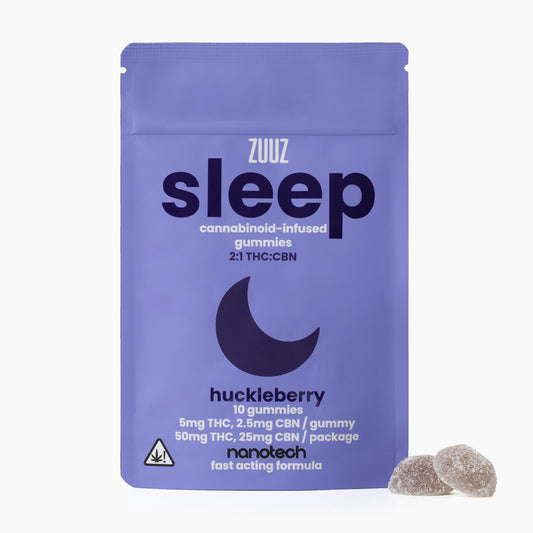

Are Cannabis Edible Refunds Legal in Your State
Table of Contents
- Why State Law Decides Whether You Can Get a Cannabis Edible Refund
- Legal Refund Rights Versus Dispensary Return Policies
- Cannabis Dispensary Return Policy: What Dispensaries Can and Cannot Refuse
- Dispensary Refund for Defective Product: Mislabeled, Contaminated, or Underdosed Edibles
- Cannabis Product Recall Consumer Steps If Your Edible Is Recalled
- How to Report a Cannabis Product Problem and Request Your Refund
- Checking Your State's Rules and Getting Help Before You Buy Again
- Frequently Asked Questions
Last Updated: November 1, 2026
Why State Law Decides Whether You Can Get a Cannabis Edible Refund
There is no single federal answer to whether you can get a cannabis edible refund. Whether a refund is legally required depends on your state's cannabis or hemp laws and on the rules of the store where you bought the product. Most state rules on cannabis sales are set at the state level, so the answer can change when you cross a state line.
Cannabis remains a controlled substance under federal law, and states regulate its sale on their own terms. DEA Controlled Substances schedules lists marijuana as a Schedule I drug, which is why federal rules do not give buyers a clear refund right. Your state's licensing agency and its consumer protection rules are where the real answer lives.
Hemp-derived THC products follow different rules than marijuana-derived products. Because of this split, the product you bought and the state you bought it in both matter. Check the state rules before you assume a refund is possible.
Legal Refund Rights Versus Dispensary Return Policies
A legal refund right and a store return policy are not the same thing, and confusing them is the most common reason edible buyers lose a dispute. A legal right comes from a statute, a regulation, or a general consumer protection law that a state agency enforces. You can compare these legal rights against the business's posted refund terms. A return policy is a voluntary promise the dispensary makes, and can narrow or withdraw, on its own terms.
Three separate bodies of law can touch an edible refund, and they do not always agree:
- Cannabis licensing rules. State cannabis regulators write the operating rules licensees must follow. Some address returns, exchanges, and destruction of returned product; many are silent on refunds and leave the decision to the store.
- General consumer protection statutes. Every state has an unfair or deceptive practices act that can reach a mislabeled or misrepresented product, even where the cannabis rules say nothing about refunds. These laws typically give a buyer a remedy when a seller's representation was false or misleading, not when the buyer simply changed their mind.
- Federal labeling and safety rules for hemp-derived products. Hemp-derived THC sits in a different lane, and federal labeling and adulteration rules can apply in ways state cannabis rules do not.
That layering is why a dispensary can lawfully refuse a return in one scenario and be exposed to a consumer protection claim in another. A posted "no returns" sign does not override a statutory right; it only sets the store's default position when no right applies.
- Legal rights come from statutes, regulations, and consumer protection acts
- Return policies come from the individual store and can be narrower than the law allows
- A store can refuse a return when no legal right applies, even if a competitor across town would accept it
- A posted policy cannot waive a right the state gives you
Our advice is to read the return policy before you pay, then keep the receipt and the packaging. If a dispute arises, the receipt and the posted policy are the two documents that decide which side of the line you are on.
Cannabis Dispensary Return Policy: What Dispensaries Can and Cannot Refuse
Dispensaries have wide room to set return policies, but they cannot ignore state rules. Whether a store must refund a mislabeled, contaminated, or recalled product depends on the state rules that apply where you bought it.
Stores often refuse returns on opened or consumed products for safety reasons. Sealed products sometimes qualify for an exchange or refund, depending on the store and state.
Watch out: Do not assume a store must take back an edible because you did not like how it made you feel. Many stores will not accept returns for that reason alone. To see how a money-back guarantee differs from a legal refund right, read whether a money-back guarantee is standard for edibles.
Dispensary Refund for Defective Product: Mislabeled, Contaminated, or Underdosed Edibles
Problems with the product itself give you the strongest case for a refund, because they move the dispute from "I did not like it" to "the product did not match what was sold." The categories that matter most are mislabeling, contamination, and underdosing, and each has a different proof path.
Mislabeled or underdosed edibles. A potency that does not match the label is a representation problem. The label is the seller's claim about what is inside. Keep the original packaging, the receipt, and any certificate of analysis that came with the product. You can check the lab test results and potency data for the batch you bought. A certificate of analysis from the testing lab shows the potency and safety results the batch was supposed to meet, and comparing it to the label is how you document a mismatch.
Contaminated edibles. Visible mold, foreign material, an off smell, or a recall notice tied to the batch are safety signals, not quality complaints. Stop using the product, keep it sealed in its original packaging, and photograph it before you hand anything back. For practical next steps, read what to do with an ineffective or problem edible. Contamination claims are the ones most likely to trigger a regulator's involvement, so preserve the evidence rather than discarding it.
Packaging and labeling errors. A missing allergen statement, a wrong net weight, or a child-resistant package that does not function are labeling and packaging defects. How these are handled, such as a replacement, store credit, or cash refund, depends on the store and the state rule.
A practical way to separate the two: a defect claim points to something wrong with the product that would be wrong for any buyer; a dissatisfaction claim points to how the product affected you. The first is a refund argument, the second is usually a customer-service conversation.
When you make the request, state the product name, the batch or lot number if it is printed, the purchase date, the specific defect, and the remedy you want, refund, replacement, or store credit. Keep a copy of the certificate of analysis and your photos with the receipt. If the store will not resolve a defect or safety claim, the next step is your state cannabis regulator's complaint process, which is covered below.
The article separates defect claims, which give the strongest refund case, from dissatisfaction claims, which usually do not.
| Problem | Proof to keep | Likely outcome |
|---|---|---|
| Mislabeled or underdosed | Packaging, receipt, certificate of analysis | Potency mismatch with label |
| Contaminated | Sealed product, photos | Stop use; safety report |
| Packaging or labeling error | Original packaging, receipt | Replacement, credit, or refund |
| Felt bad or unexpected high | Receipt only | Usually not a refund claim |
Cannabis Product Recall Consumer Steps If Your Edible Is Recalled
If a product is recalled, stop using it right away. Do not eat the rest of the package, even if it looks and tastes fine.
Take these steps if your edible is recalled:
- Stop using the product immediately
- Keep the package and receipt
- Return the product to the store where you bought it
- Check the recall notice for the exact refund or disposal instructions
- Report the problem to your state's regulator
How to Report a Cannabis Product Problem and Request Your Refund
Start by contacting the dispensary, then go to your state regulator if the store will not help. You can contact the business directly to report the problem. Bring your receipt, the product, and any test results. Write down the date, the time, and the name of the person you spoke with.
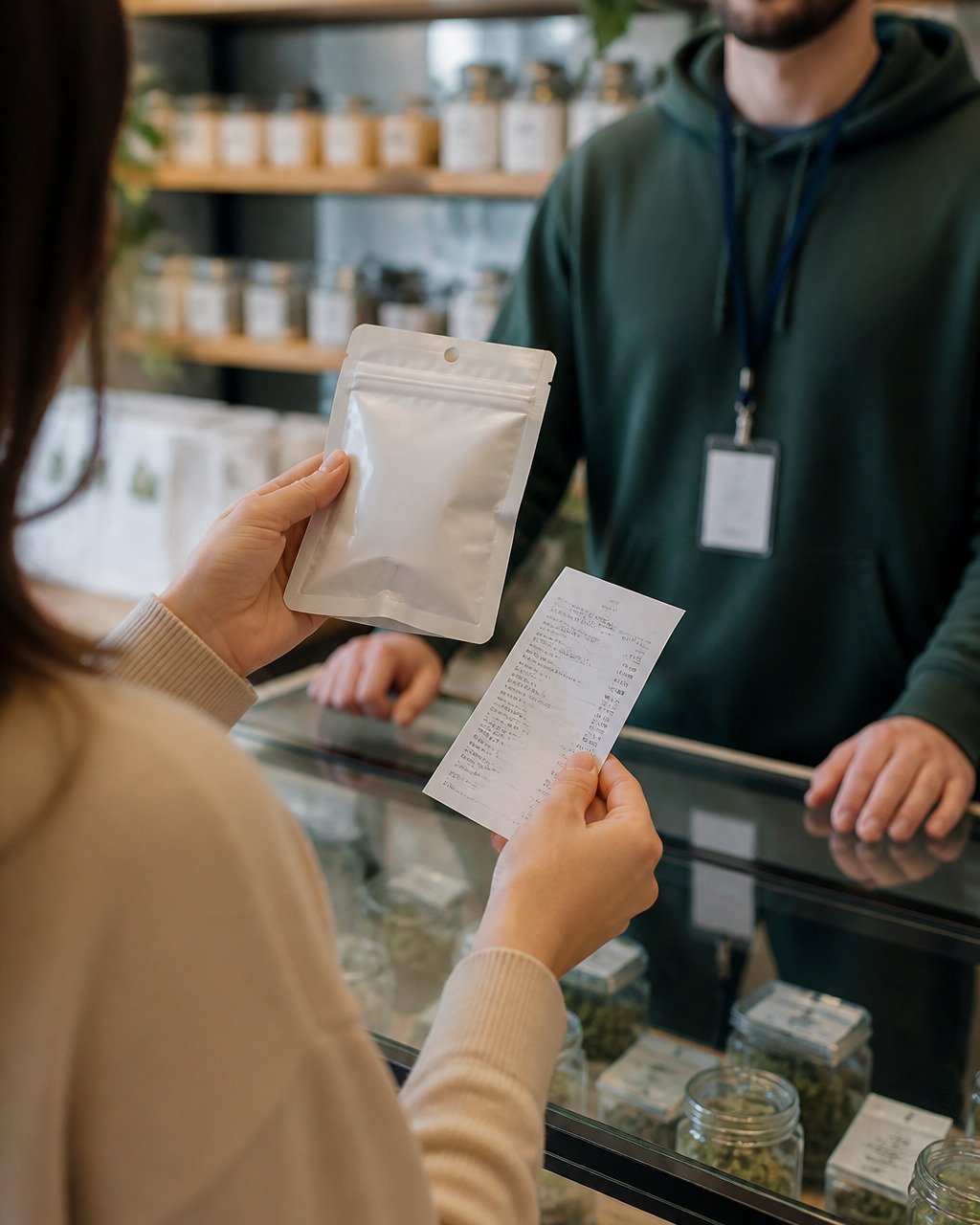
A clear request helps. State the product name, the purchase date, the problem you found, and the refund you want.
Checking Your State's Rules and Getting Help Before You Buy Again
Before your next purchase, look up your state's cannabis or hemp rules. Your state cannabis regulator's website usually lists consumer rights and complaint steps.
Read the return policy at the store before you buy. Ask a licensed dispensary staff member if you have questions about what is allowed in your state. Rules change, so confirm current requirements with an official state source before you rely on them.
Frequently Asked Questions
Are cannabis edible refunds legal in my state?
It depends on your state. Some states set consumer protection or licensing rules that require licensed dispensaries to address defective or recalled products, while others leave refunds to each store's written policy. Check your state cannabis regulator's website or call the licensing agency for the current rule. Keep your receipt and the original packaging, since most refund requests are decided on proof of purchase and product condition.
Can a dispensary refuse a refund for cannabis edibles?
A dispensary can refuse a refund for an opened or used edible that works as intended, because most store policies and state rules do not require refunds for buyer's remorse. A dispensary generally cannot refuse a refund for a product that is defective, mislabeled, contaminated, or recalled, since those cases often fall under state product safety rules. Ask the budtender which rule applies before you leave the store.
What should I do if a cannabis edible is defective or mislabeled?
Stop using the product, store it safely away from children and pets, and keep the package, lab label, and receipt. Return to the dispensary and ask for a manager, then describe the problem, such as a wrong dose or missing dosage information. If the dispensary does not resolve it, file a complaint with your state cannabis regulator, which can review the licensed store's conduct.
Can I get a refund for a recalled cannabis edible?
Recalled products are generally eligible for a refund or replacement, but the process depends on your state's recall rules and the retailer's policy. Check the recall notice for the batch number and lot code on your package. Bring the product and receipt to the dispensary, and report the recall to your state regulator if the store refuses.