
Is Nano THC Safe for Daily Use? A 2026 Guide
Table of Contents
- What Nano THC Technology Actually Is
- Nano THC Side Effects: What the Evidence Shows
- Nano THC vs Regular THC: Why Formulation Changes the Experience
- How Long Do Nano THC Gummies Last?
- Daily THC Use Risks: Tolerance, Accumulation, and Impairment
- How to Verify Nano THC Product Safety Before You Buy
- Frequently Asked Questions
Last Updated: October 15, 2026
What Nano THC Technology Actually Is
Nano THC is a cannabis formulation technique that breaks THC oil into microscopic droplets, typically under 100 nanometers, so the body absorbs it faster and more completely than standard edibles.
The core problem nano solves is simple. Cannabinoids like THC are oil-soluble, and your digestive system is mostly water. When you swallow a traditional oil-based edible, the THC has to work its way through a slow, inefficient absorption process before it reaches your bloodstream.
The Difference Between Nanoemulsion and Standard Oil Infusion
Nanoemulsion is the process of suspending oil-soluble cannabinoids in water using tiny droplets and a surfactant, while standard oil infusion simply dissolves THC into a fat like butter or coconut oil.
That size difference drives everything downstream:
- Standard oil infusion produces droplets measured in microns, which digest slowly
- Nanoemulsification produces droplets under 100 nanometers, which pass into circulation faster
- Smaller droplets mean more surface area, and more surface area means better absorption
A common mistake is assuming "nano" means a stronger product. It doesn't. It means the same THC arrives faster and more predictably. If you're coming from traditional edibles, expect the timeline to shift, not the ceiling.
Nano THC Side Effects: What the Evidence Shows
The side effects of nano THC are the same class of effects as any THC product: dry mouth, altered perception, elevated heart rate, and impaired coordination.
Because nano THC absorbs faster, the gap between "I feel nothing" and "I feel too much" shrinks. That's the honest trade-off.
Many users report that the experience feels smoother, with fewer of the anxious spikes associated with unpredictable edible timing. That's a formulation effect, not a guarantee.
Nano THC vs Regular THC: Why Formulation Changes the Experience
Nano THC and regular THC differ in absorption speed, onset time, and consistency, not in potency per milligram. The molecule is identical. The delivery is not.
| Factor | Regular Oil-Based THC | Nano THC |
|---|---|---|
| Droplet size | Micron range | Under 100 nanometers |
| Onset | Often 60-90 minutes | Frequently much faster |
| Absorption | Lower, more variable | Higher, more consistent |
| Duration | Longer, less predictable | Shorter, more predictable |
| Taste | Often earthy, oily | Typically cleaner finish |
The duration point matters more than people expect. A traditional edible can linger for hours, which is fine on a Saturday and inconvenient on a Tuesday morning.
That predictability is the real product. Not "stronger." Not "better." More controllable.
How Long Do Nano THC Gummies Last?
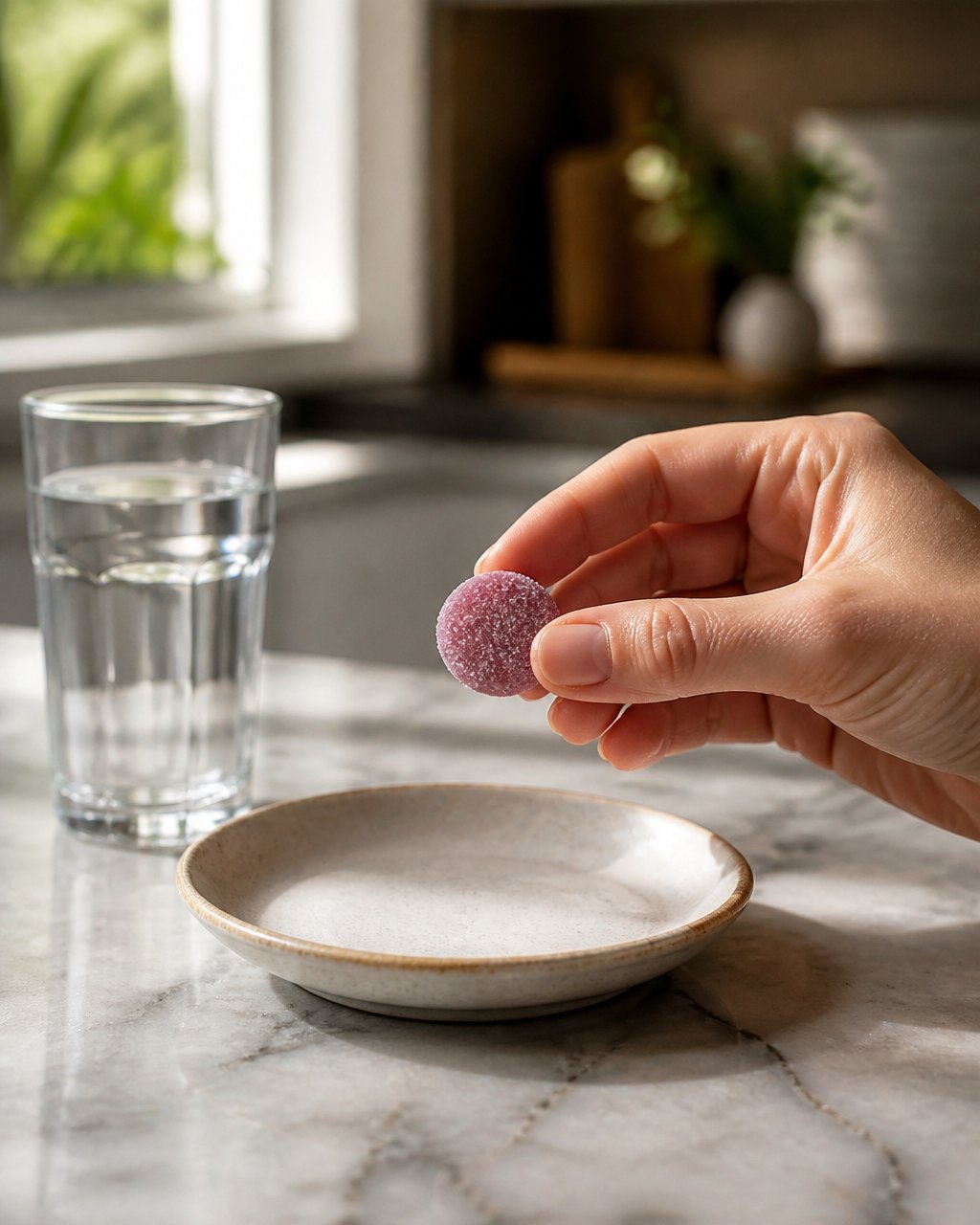
Nano THC gummies typically produce effects that begin within a much shorter window than standard edibles and taper off sooner, though exact timing varies by dose, tolerance, and individual metabolism.
Three variables drive the timeline:
- Dose. A low dose fades faster than a high dose, every time.
- Tolerance. Regular users often feel less and for less time than occasional users.
- Food and metabolism. Eating before dosing slows absorption; individual enzyme activity varies widely.
For daily users, the shorter duration is usually the point. You want relief or relaxation for a defined window, not a fog that follows you into the next morning. That's the practical case for nano over oil-based infusion.
Daily THC Use Risks: Tolerance, Accumulation, and Impairment
Daily THC use carries real risks that nano formulation does not eliminate: tolerance builds, effects can accumulate with repeated dosing, and impairment remains impairment regardless of how fast it arrives.
Start with the distinction that matters most. Formulation safety and THC safety are two separate questions. Nanoemulsion describes how a cannabinoid is delivered, droplet size, dispersion in water, absorption route.
What Repeated Daily Use Tends to Produce
- Tolerance. THC tolerance develops through downregulation of CB1 receptors in the brain. A common pattern is that the same dose produces a noticeably weaker effect within one to two weeks of daily use, which quietly pushes users toward higher doses to get the original result. Tolerance also cross-applies to other cannabinoids acting at the same receptors.
- Accumulation. THC and its psychoactive metabolite, 11-hydroxy-THC, are stored in fat tissue and cleared slowly. With daily dosing, some users report a background fog, dulled motivation, flatter mood, slower recall, that they only notice after stopping. This is not a nano-specific effect, but faster onset can make daily dosing feel more casual and therefore more frequent.
- Dependence patterns. Cannabis use disorder is a recognized diagnosis in the DSM-5, and daily use is one of the strongest predictors. The shift from intentional to habitual rarely has a clear inflection point; it shows up as using to feel normal rather than to feel better.
Practical Daily-Use Guardrails
If you are going to use daily, treat it like any other recurring substance decision and build in structure:
- Set a fixed ceiling dose and do not raise it to chase the old feeling. If the effect fades, that is tolerance talking, not a dosing problem.
- Take scheduled breaks. Many practitioners suggest one to two consecutive THC-free days per week, and a longer one-to-two-week break every few months, to let CB1 receptor sensitivity recover. Individual response varies widely.
- Log dose, time, and effect. A simple note on your phone is enough. Patterns you cannot see in the moment become obvious in a two-week log.
- Do not redose inside the effect window. With nano formulations, that window opens sooner, which makes early redosing more tempting and more likely to overshoot.
- Never drive or operate equipment while impaired. There is no formulation, dose, or tolerance level that makes this safe, and impairment is a legal standard, not a feeling.
- Watch for the warning signs of dependence: using first thing in the morning, using to manage withdrawal, hiding use, or feeling unable to skip a day.
Who Should Avoid Nano THC Products
Some people should not use nano THC daily, or at all, without a conversation with a clinician. This is not a liability line. It is the honest answer, and it applies regardless of how clean the formulation is.
- Anyone who is pregnant or breastfeeding, major health organizations advise against cannabis use in pregnancy and while nursing.
- People with a personal or family history of psychosis, schizophrenia, or severe anxiety disorders, since THC can precipitate or worsen symptoms.
- Anyone taking medications that interact with THC, including certain antidepressants, anticoagulants, and sedatives. THC is metabolized by cytochrome P450 enzymes, particularly CYP3A4 and CYP2C9, which is the same pathway many prescription drugs use, meaning THC can change how those drugs are cleared.
If you are in any of those groups, the formulation debate is irrelevant. The answer is no, or not without medical guidance.
Nano THC makes timing more predictable. It does not make daily use automatically safe. The two questions are separate, and conflating them is how people get into trouble.
How to Verify Nano THC Product Safety Before You Buy
Third-party lab testing is the only reliable way to verify what is actually in a nano THC product, and any brand serious about quality will publish those results openly. The catch is that most buyers do not know what they are looking at when they open a Certificate of Analysis, so a brand can publish one and still obscure the parts that matter.
Here is how to read one properly.
What a Certificate of Analysis Actually Contains
A COA is a lab report from a testing facility, not a marketing document. A complete one should show:
- Cannabinoid potency. The measured milligrams of THC (and any other cannabinoids) per unit or per serving, alongside the label claim. A reasonable margin is within roughly 10 percent of the stated amount; wider gaps suggest either a labeling problem or a formulation that is not consistent batch to batch.
- Residual solvents. Nanoemulsification often uses a solvent or surfactant to disperse the oil, so this panel matters more here than for a simple oil infusion. Look for results reported as "not detected" or below the lab's limit of quantification.
- Pesticides. A full panel, not a partial one. "Passed" without a list of analytes tested is not meaningful.
How to Read the Report Like a Skeptic
- COA is linked directly on the product page, not buried behind a "contact us" form
- COA is dated within the last 12 months, and preferably matches the batch you are buying
- The testing lab is independent and accredited, check that the lab is not owned by, affiliated with, or paid on contingency by the brand
If a brand cannot clear that list, the "nano" claim is decoration. The FDA's guidance on cannabis and cannabis-derived products is a useful starting point for understanding how federal regulators currently approach labeling and claims in this category, and the CDC's page on cannabis health effects covers the impairment and health-risk side clearly.
The Limits of Manufacturer Safety Claims
This is the part most guides leave out. A COA tells you what was in one batch at one point in time. It does not tell you:
- Whether the droplet size claim is real. Most COAs do not measure particle size at all, so a "nano" claim can be entirely unverified by the document a brand is proudest of.
- Whether the product is stable over its shelf life. Emulsions can separate or coalesce over time, which changes absorption.
- Whether the formulation interacts with anything else you take. That is a clinical question, not a lab question.
In other words, a clean COA is a necessary condition for a trustworthy product, not a sufficient one.
For state-level rules, product testing and labeling requirements vary, so check your own state's cannabis regulatory authority. The National Conference of State Legislatures cannabis overview tracks how those frameworks differ.
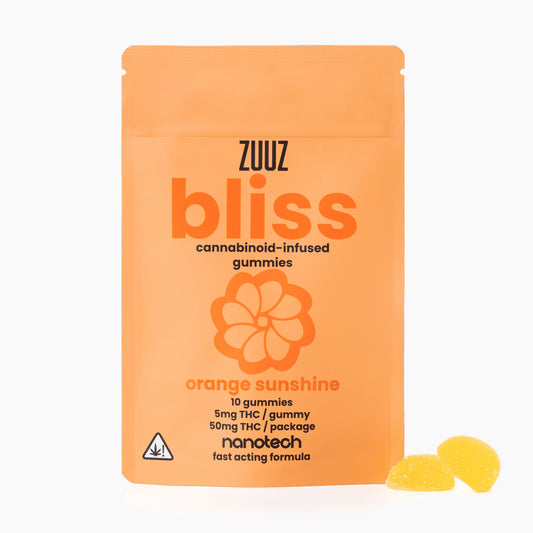
At ZUUZ, every product is third-party lab tested and backed by a 60-day money-back guarantee, because we would rather you verify than take our word for it.
Frequently Asked Questions
Is it safe to use nano THC every day?
Daily nano THC use is not inherently unsafe, but it depends on your dose, your health history, and how your body responds. Nano THC's water-soluble formulation means faster onset and more predictable effects, which makes low-dose daily routines easier to manage than traditional oil-based edibles. The bigger concern is cumulative tolerance: daily use builds tolerance over time, so the same dose may feel weaker within weeks. Start low, track your intake, and take tolerance breaks if effects dull.
Does nano THC feel different from regular THC?
Yes. Nano THC uses nanoemulsion to break cannabinoids into tiny droplets, so your body absorbs them faster through the digestive tract. Most users notice effects within 15 to 30 minutes instead of the 60 to 120 minutes typical of oil-based edibles. The experience is often described as smoother, with a more predictable onset and less of the heavy, lingering comedown that regular THC edibles can produce. Duration tends to be shorter as well, usually 3 to 5 hours.
How long do nano THC gummies last in your system?
The felt effects of nano THC gummies typically last 3 to 5 hours, with a faster onset than traditional edibles. However, THC metabolites can remain detectable in urine for days to weeks depending on frequency of use, body fat percentage, and metabolism. Daily users generally test positive longer than occasional users. If you face drug testing for work or legal reasons, daily nano THC use carries the same detection risk as any other THC product.
What should you check on a nano THC product label?
Look for three things: a certificate of analysis from an independent lab, the exact THC milligram amount per serving, and the full ingredient list including carrier ingredients used in the nanoemulsion. Reputable brands publish batch-specific lab results you can verify with the lab directly. Also check for contaminant testing covering pesticides, heavy metals, and residual solvents. If a brand cannot produce a current COA, treat that as a red flag regardless of marketing claims.
Daily nano THC use is a decision only you can make, and it deserves better than a marketing claim on a label. If you want a formulation built for predictable timing, lab-tested ingredients, and a cleaner finish than traditional oil-based edibles, ZUUZ makes sugar-free tarts and gummies using nanotech extraction, with published third-party testing and a 60-day money-back guarantee. Get started with ZUUZ and find a daily routine you can actually trust.