
Better Sleep Alternatives to EnjoyFive
Table of Contents
- Why People Search for Sleep Alternatives
- How Sleep Gummies Work and What Makes Them Different
- Sugar Free THC Gummies for Sleep: What to Expect
- How to Choose the Right THC Dosage for Sleep
- Nanotech THC Edibles Benefits vs Traditional Sleep Aids
- Non-Cannabis Options for Sleep Support
- Building a Sleep Routine That Actually Works
- Frequently Asked Questions
Last Updated: September 18, 2026
Why People Search for Sleep Alternatives
Many people find that traditional sleep aids don't work consistently or come with side effects that make the next day miserable. That's where the search for sleep alternatives begins.
The key is finding something that works for your body, fits your lifestyle, and doesn't leave you groggy or dependent.
Sleep solutions range from cannabis-based products like THC gummies to botanical blends and non-psychoactive cannabinoids. Each works differently, and understanding how these alternatives function helps you identify which might align with your needs.
How Sleep Gummies Work and What Makes Them Different
Sleep gummies deliver cannabinoids and botanical compounds through the digestive tract, typically taking 45 minutes to 2 hours to take effect depending on whether you've eaten and your metabolism.

Quality sleep gummies calm your nervous system and reduce mental chatter rather than forcing sedation. Many contain CBN (cannabinol), valued for sleep support, alongside THC or other relaxation-promoting compounds.
Gummies provide convenient, precise dosing, you know exactly how much active ingredient you're consuming, which is crucial for finding your optimal dose.
Bioavailability, how efficiently your body absorbs active ingredients, differs between products. Nanotech processing breaks cannabinoids into smaller particles for faster absorption and more reliable effects than traditional edibles.
Sugar Free THC Gummies for Sleep: What to Expect
Sugar-free THC gummies remove barriers for health-conscious users while maintaining convenience and effectiveness.
Effects typically begin within 45 minutes to 2 hours: your mind quiets, racing thoughts slow, and physical tension eases, a more natural progression than the sudden knockout effect of some sleep medications. Maintaining this gentle transition is often easier when incorporating other natural sleep aids that support the body's own restorative rhythms without lingering morning lethargy.
THC's effects are dose-dependent, more doesn't always mean better sleep, and too much can disrupt sleep quality.
Quality THC gummies reduce mental and physical tension that prevents sleep, a gentler approach with less next-day grogginess.
| Sleep Gummy Type | Onset Time | Duration | Best For |
|---|---|---|---|
| THC + CBN blend | 45-90 minutes | 6-8 hours | Deep, restorative sleep |
| THC + CBC | 45-90 minutes | 4-6 hours | Mild relaxation, earlier bedtime |
| Botanical only | 30-60 minutes | 4-6 hours | Gentle support, anxiety reduction |
How to Choose the Right THC Dosage for Sleep
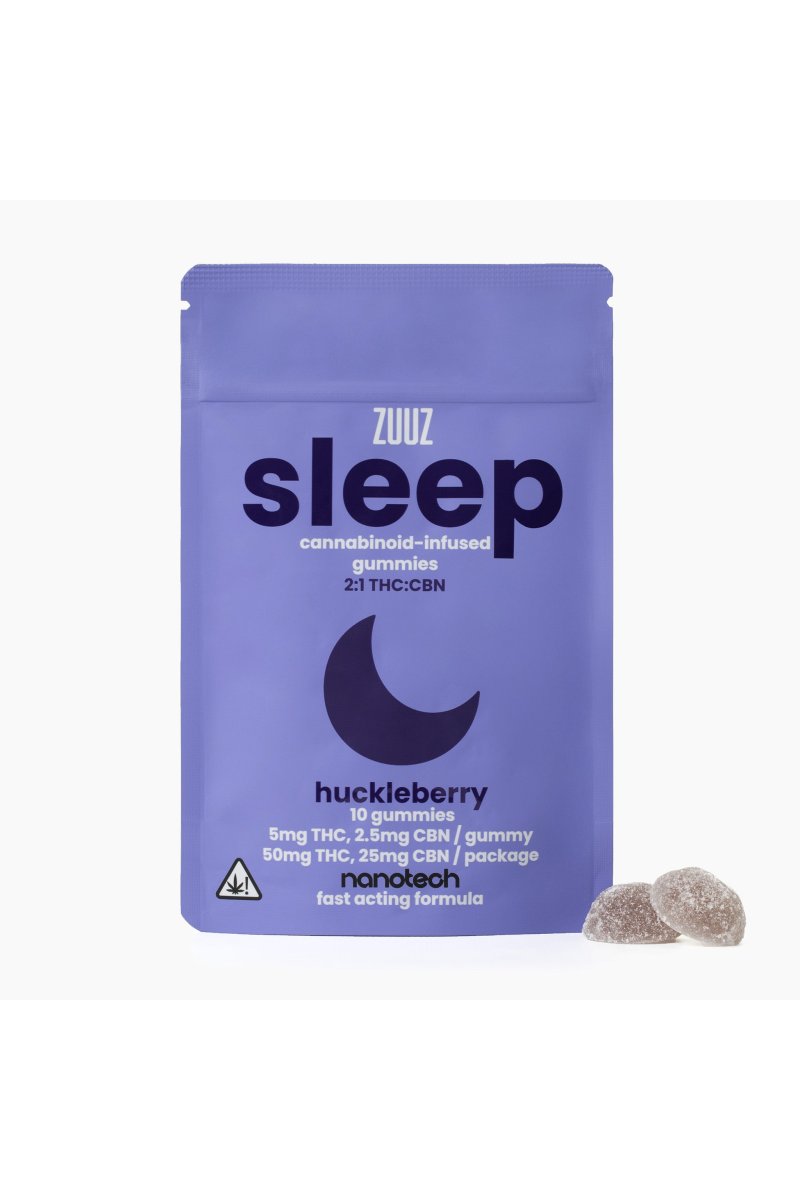
Start with 2.5-5 mg and observe your body's response over 3-5 nights before increasing. This gradual approach is essential for anyone new to THC.
Dosage depends on body weight, metabolism, recent food intake, and prior cannabis experience. Never start with 10 mg if you're new to THC.
Medication Interactions: Critical Safety Considerations
THC is metabolized through the cytochrome P450 enzyme system, specifically CYP3A4 and CYP2C9. Medications using these pathways can compete for metabolism, potentially increasing concentrations of either THC or your medication.
- SSRIs and SNRIs (sertraline, fluoxetine, venlafaxine): THC may potentiate serotonergic effects, increasing risk of serotonin syndrome at higher doses. Start with the lowest THC dose (2.5 mg) and monitor for agitation, rapid heart rate, or muscle rigidity.
- Blood pressure medications (metoprolol, lisinopril, amlodipine): THC can lower blood pressure, and combined use may cause excessive hypotension or dizziness. Discuss dosing with your prescribing physician.
- Anticoagulants (warfarin): THC may inhibit CYP2C9, potentially increasing warfarin concentration and bleeding risk. Medical supervision is essential.
- Benzodiazepines (alprazolam, lorazepam): Combining THC with benzodiazepines amplifies CNS depression and carries significant overdose risk. Avoid this combination unless explicitly approved by your physician.
- Opioid pain medications: Combined CNS depression can be dangerous. Do not combine without medical guidance.
- Diabetes medications (metformin, insulin): THC may affect glucose metabolism. Monitor blood sugar closely if combining.
Consult your physician or pharmacist before using THC sleep gummies if you take any prescription medication. If your provider is unfamiliar with cannabis pharmacology, the American Society of Clinical Psychopharmacology and the Pharmacists' Cannabis Education and Research Society provide evidence-based resources.
Tolerance Management: Preventing Diminishing Returns
Tolerance builds with regular nightly use. If your dose becomes less effective after several weeks, consider these evidence-based strategies:
Cycling Strategy: Take gummies 5-6 nights per week and skip 1-2 nights to prevent tolerance. Many users find one night off per week sufficient; others use a 3-weeks-on, 1-week-off cycle for more complete receptor reset.
Dose Rotation: Alternate between two doses (e.g., 5 mg and 7.5 mg) to prevent adaptation while keeping weekly intake stable.
Cannabinoid Rotation: Alternate between different formulations (THC + CBN, THC + CBC, botanical-only) to prevent tolerance to any single compound.
Tolerance Breaks: After 8+ weeks of nightly use, take a 3-7 day complete break to allow receptor sensitivity to return. Plan strategically during flexible sleep weeks.
The Relationship Between Dosage and Sleep Quality
Moderate doses often produce better sleep than maximum tolerable doses. Too much THC can disrupt sleep quality with restlessness, vivid dreams, or next-day grogginess.
Tracking and Adjustment Protocol
Track dosage, timing, sleep onset, awakenings, sleep quality (1-10), and next-day feeling for 2-3 weeks. This reveals patterns and helps identify your optimal dose and whether cycling is necessary.
Nanotech THC Edibles Benefits vs Traditional Sleep Aids
Nanotech extraction breaks cannabinoid molecules into smaller particles for rapid, efficient absorption, unlike traditional edibles with larger molecules requiring more digestive effort.
Nanotech extraction breaks cannabinoid molecules into smaller particles for rapid, efficient absorption, unlike traditional edibles with larger molecules requiring more digestive effort.
Quality THC gummies reduce mental and physical tension that prevents sleep, a gentler approach with less next-day grogginess.
Melatonin signals circadian rhythm but doesn't address anxiety or racing thoughts.
Non-Cannabis Options for Sleep Support
Several non-cannabis sleep alternatives offer genuine support through different mechanisms, each with distinct onset times and efficacy profiles.
Botanical Blends and Herbal Adaptogens
Valerian root (300-900 mg), reishi mushroom, lemon balm, and passionflower reduce anxiety and calm the nervous system rather than directly sedate. Valerian increases GABA availability similarly to benzodiazepines but more gently, with 45-minute to 2-hour onset. These are gentler than cannabis with minimal side effects, though less dramatic results.
Reishi mushroom (1-3 grams daily) reduces cortisol and stress, but effects take 2-4 weeks to become noticeable, making it better for chronic stress-related insomnia than acute disruption.
Passionflower (200-400 mg) reduces anxiety and improves sleep with 30-60 minute onset, useful for racing thoughts without THC intensity.
Magnesium Supplementation
Magnesium (200-400 mg, 30-60 minutes before bed) relaxes muscles and reduces nervous system hyperactivity. Glycinate is preferred for sleep support due to gentle digestion. Magnesium alone rarely solves significant sleep problems but works well as part of broader sleep hygiene.
L-Theanine and Amino Acid Support
L-theanine (100-200 mg, 30-60 minutes before bed) promotes relaxation without sedation and works synergistically with magnesium and botanicals. Onset is 20-30 minutes, useful for anxiety-driven insomnia.
Melatonin: Timing Over Dosing
Melatonin signals circadian rhythm and works best for circadian disorders or jet lag, not anxiety or racing thoughts. Doses above 3-5 mg produce diminishing returns. Timing (30-60 minutes before bed) matters more than dosage. Effectiveness diminishes with nightly use, making it better for occasional use than chronic insomnia.
Comparative Efficacy and When to Choose Each
Botanical blends and magnesium excel at reducing anxiety with milder effects than THC, ideal for mild-to-moderate insomnia. L-theanine and melatonin suit occasional use or circadian adjustment. For severe sleep disruption or significant anxiety, non-cannabis alternatives work best as part of a layered approach with behavioral changes and environmental optimization.
Non-cannabis alternatives offer slower onset and milder effects but carry no tolerance risk, no psychoactive effects, and minimal side effects.
Building a Sleep Routine That Actually Works
Any sleep solution works best within a structured sleep routine. Sleep aids alone can't overcome chaotic sleep habits.
Establish consistent sleep and wake times, even on weekends. Your circadian rhythm thrives on predictability.
Optimize your sleep environment: cool temperature (65-68°F), complete darkness, and minimal noise. Fix environmental factors before adding supplements.
Limit screen time one hour before bed, blue light suppresses melatonin. Take a sleep gummy 90 minutes before bed, then read, stretch, or relax.
Avoid caffeine after 2 PM and large meals close to bedtime, both interfere with sleep quality independent of any sleep aid.
Gentle evening movement like stretching or yoga helps, but intense exercise close to bedtime can be stimulating. Morning or afternoon walks support sleep better than evening workouts.
Use your sleep gummy as part of a complete system: the gummy handles neurochemical calming while your routine handles behavioral and environmental components, creating conditions for quality sleep.
Finding the right sleep alternative depends on understanding what's actually keeping you awake. If it's racing thoughts and anxiety, THC gummies with nanotech extraction provide fast-acting relief without the grogginess of traditional sleep aids.
Frequently Asked Questions
What makes nanotech THC edibles different from regular sleep gummies?
Nanotech extraction breaks cannabinoids into smaller particles, allowing faster absorption and more consistent effects. Traditional edibles rely on standard extraction, which can lead to unpredictable onset times and variable potency. Nanotech formulas like ZUUZ Sleep deliver faster-acting relief with fewer harsh comedowns because the cannabinoids reach your system more efficiently, creating a smoother, more predictable experience for sleep support.
How do I choose the right THC dosage for sleep if I'm a beginner?
Start low and go slow. Most beginners benefit from 2.5-5mg of THC per dose, taken 1-2 hours before bed. ZUUZ Sleep contains 5mg nanotech THC and 2.5mg CBN per gummy, which is stackable if you need more. Track how you feel over 3-5 nights before adjusting. Everyone's tolerance differs, so consistency matters more than chasing a higher dose immediately. If you're nervous about effects, begin with half a gummy.
Are sugar free THC gummies for sleep actually better than regular ones?
Sugar-free options eliminate the blood sugar spike that can disrupt sleep quality and cause morning grogginess. They're especially valuable if you're managing weight or blood sugar sensitivity. ZUUZ offers sugar-free formulas that deliver the same cannabinoid benefits without the crash. For sleep specifically, avoiding sugar helps you stay asleep longer and wake more refreshed, making sugar-free a practical choice for consistent rest.
Can I use THC gummies for sleep every night, or will I build tolerance?
Regular nightly use can build tolerance over time, meaning you'll need higher doses for the same effect. To manage this, consider rotating between THC sleep products and non-cannabis alternatives, or taking 1-2 nights off per week. Sleep hygiene practices, consistent bedtimes, no screens 30 minutes before bed, cool room temperature, reduce your reliance on any single product. If tolerance develops, a brief break (3-5 days) typically resets sensitivity.